
DSSAT Foundation – The University of Georgia – Griffin Campus, Griffin, Georgia, USA
The DSSAT 2026 International Training Program was held from May 18 to 23, 2026, at the University of Georgia Griffin Campus in Griffin, Georgia, USA. The program focused on Assessing Crop Production, Water and Nutrient Management, Climatic Risk, and Environmental Sustainability with Simulation Models.
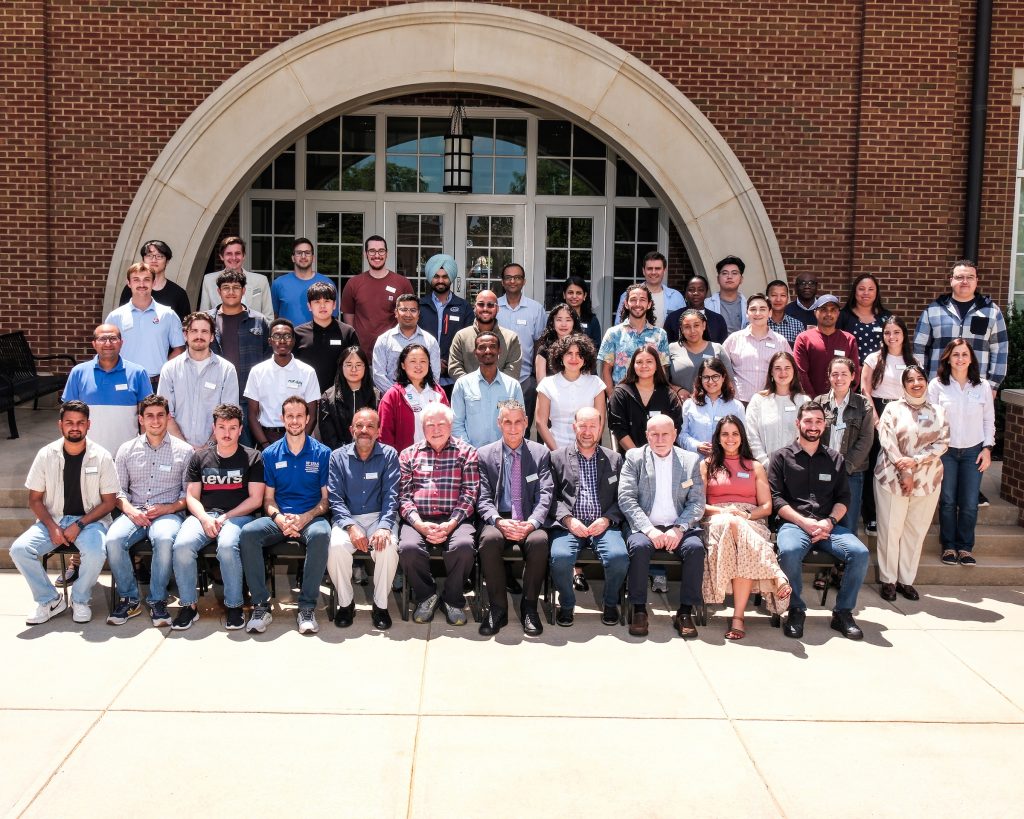
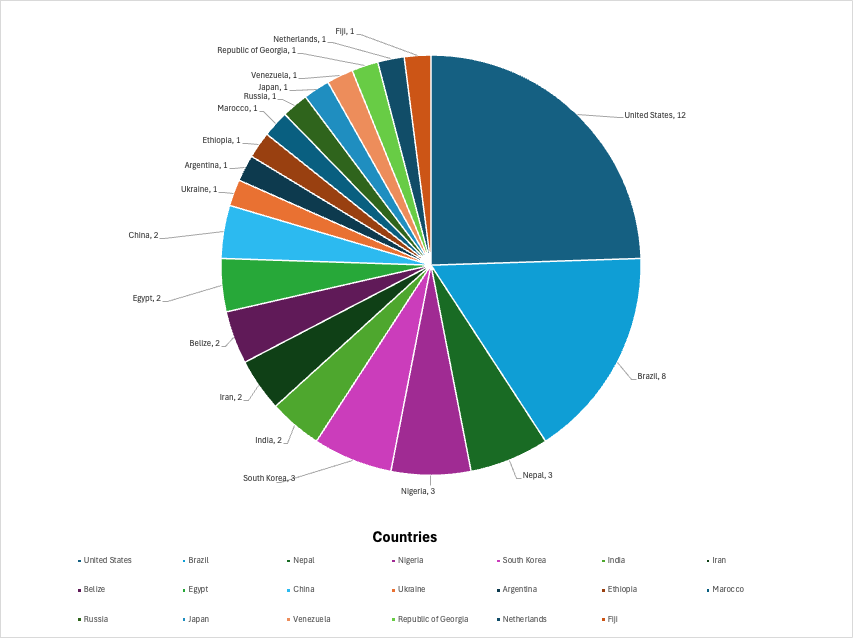
This year’s training brought together 49 participants and instructors from 20 countries, including 11 DSSAT instructors. Countries represented included the United States, Brazil, Nepal, Nigeria, South Korea, India, Iran, Belize, Egypt, China, Ukraine, Argentina, Ethiopia, Morocco, Russia, Japan, Venezuela, the Republic of Georgia, the Netherlands, and Fiji.
The event was presented as a joint training program of the DSSAT Foundation, the University of Florida, Auburn University, the Global Food Systems Institute, and the International Fertilizer Development Center, and was hosted at the University of Georgia Griffin Campus. Participants received a warm welcome from the DSSAT faculty and from Dr. Jeffery F.D. Dean, Assistant Provost and Campus Director of UGA-Griffin.
The overall goal of the training program was to familiarize participants with a comprehensive computer model for the simulation of crop growth and yield, soil and plant water, nutrient and carbon dynamics, and their application to real-world agricultural problems. The program focused on the operation of DSSAT Version 4.8.6, the DSSAT Cropping System Model and its modules, minimum data requirements, experimental data collection, integration with databases and geographic information systems, and the application of DSSAT-CSM to improve the management of cropping systems.
The DSSAT training consisted of presentations, demonstrations, and hands-on exercises that participants completed throughout the week. The training covered topics related to potential production, weather and genetic coefficients, water-limited production, soils and experimental data, nitrogen and phosphorus-limited production, climatic risk and sustainability, crop rotations, pest and disease damage, climate change and climate variability, and model applications.
All registered participants received a comprehensive set of materials, including DSSAT software resources, exercises, presentations, supporting documentation, certificates, and contact details of the DSSAT faculty and participants.
The DSSAT faculty are committed to continuing their online assistance to help participants apply DSSAT to their own field data, research questions, and decision-support applications.
