January 5–9, 2026 | Gainesville, Florida & Online
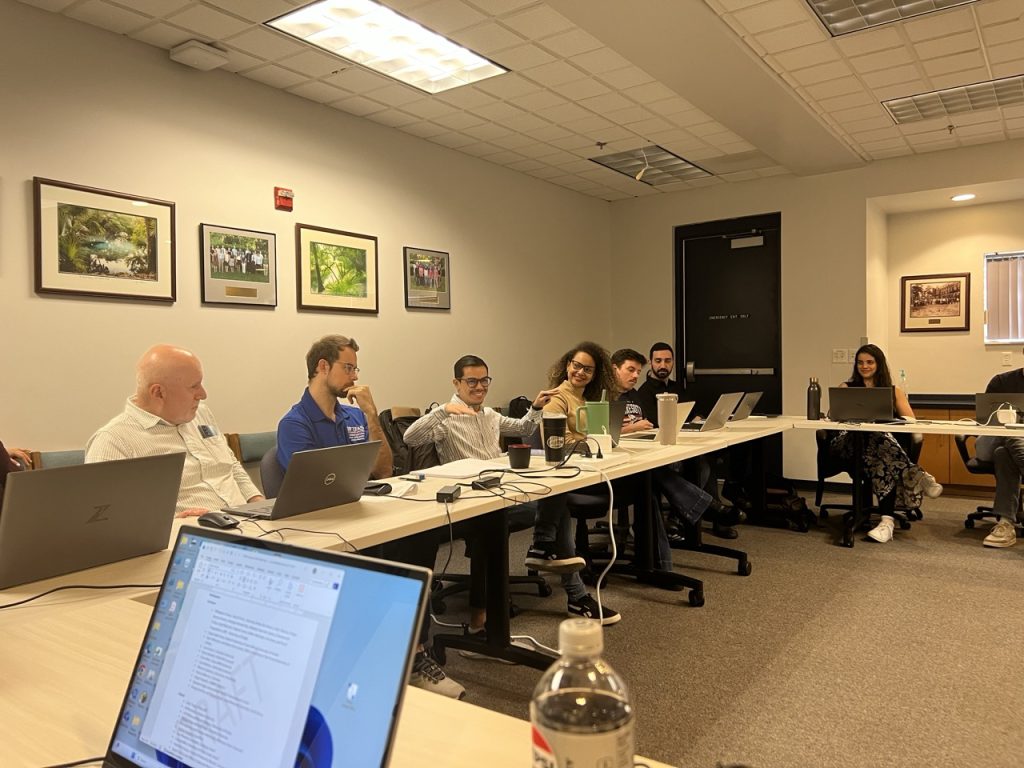
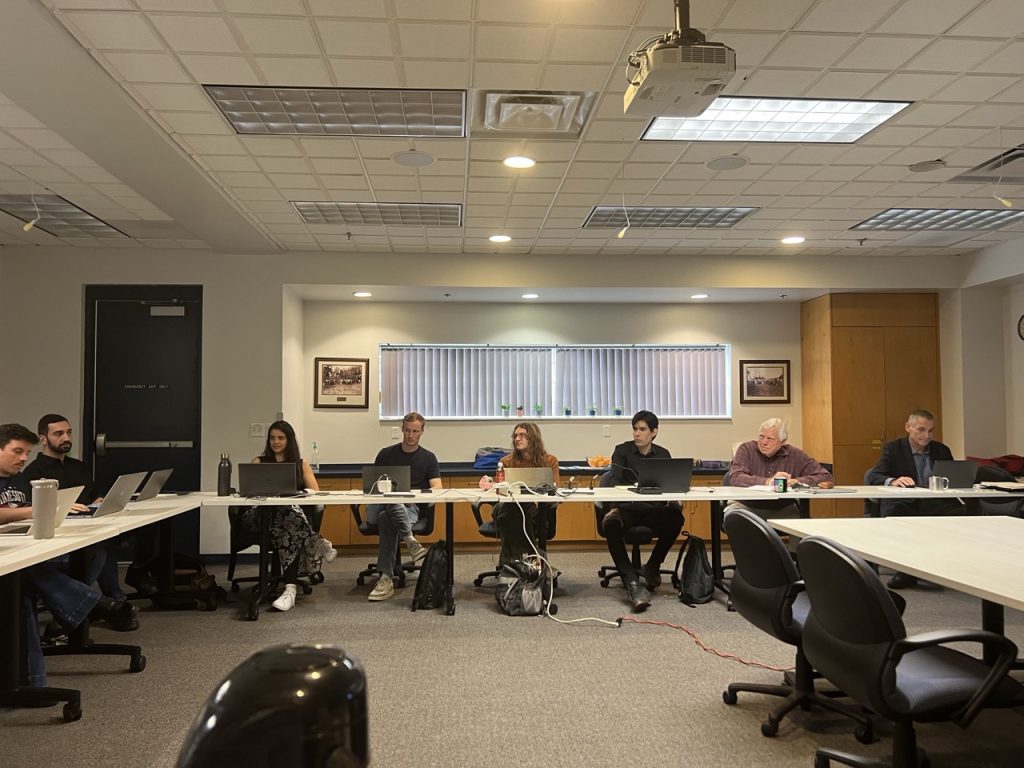
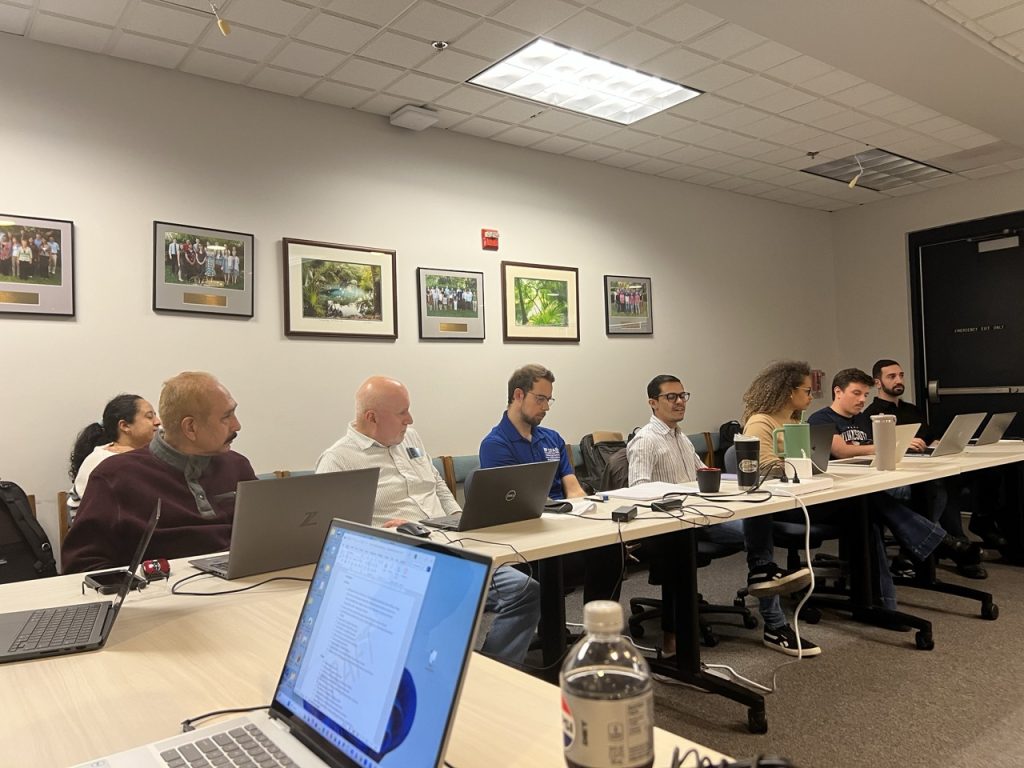
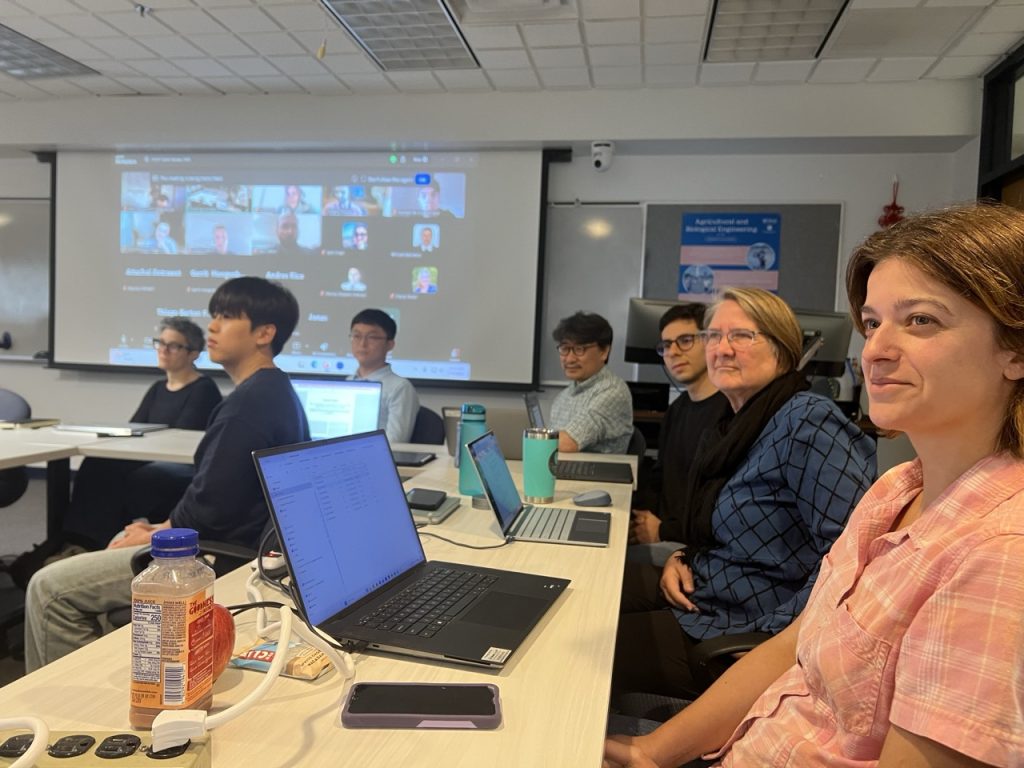
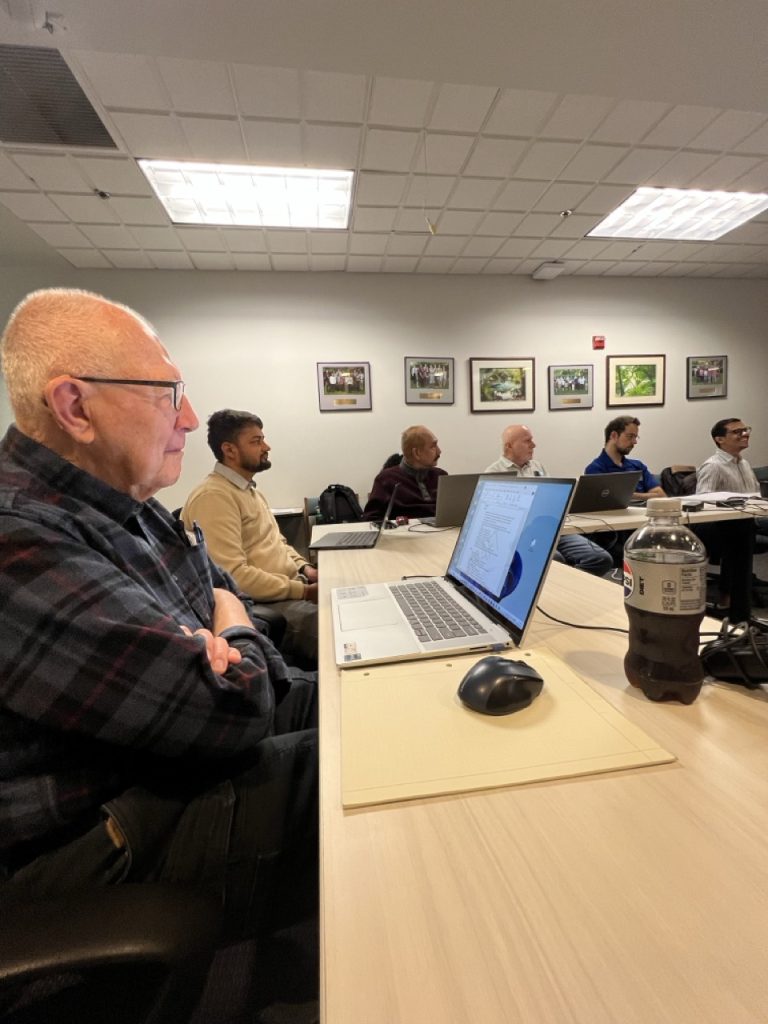
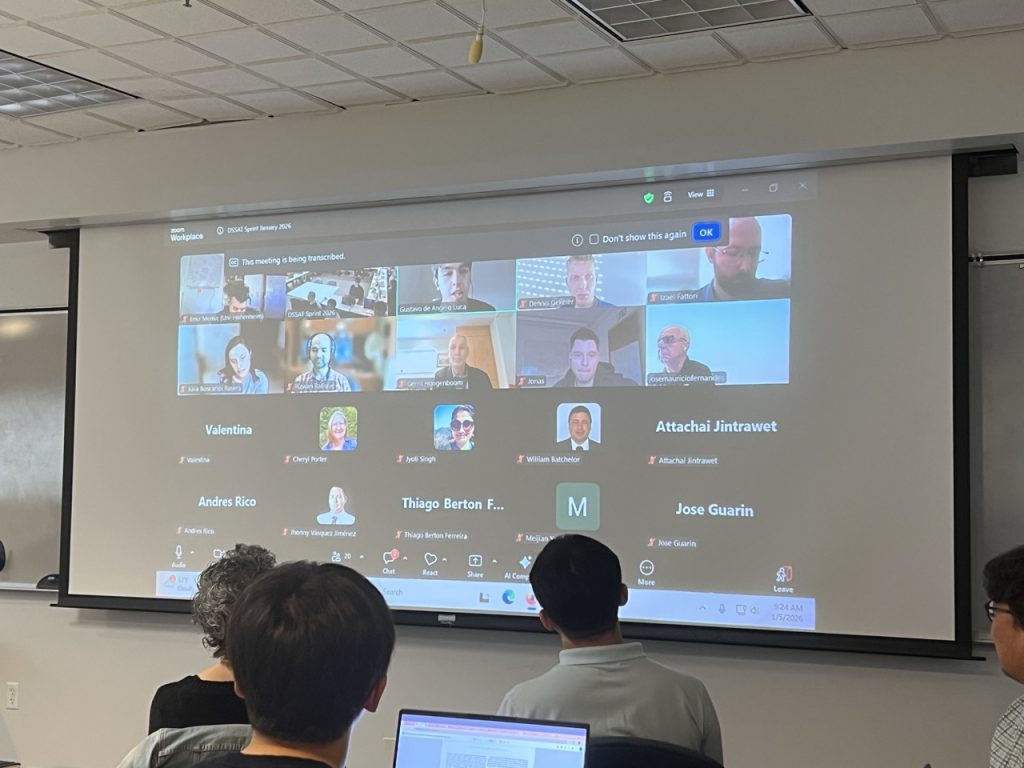
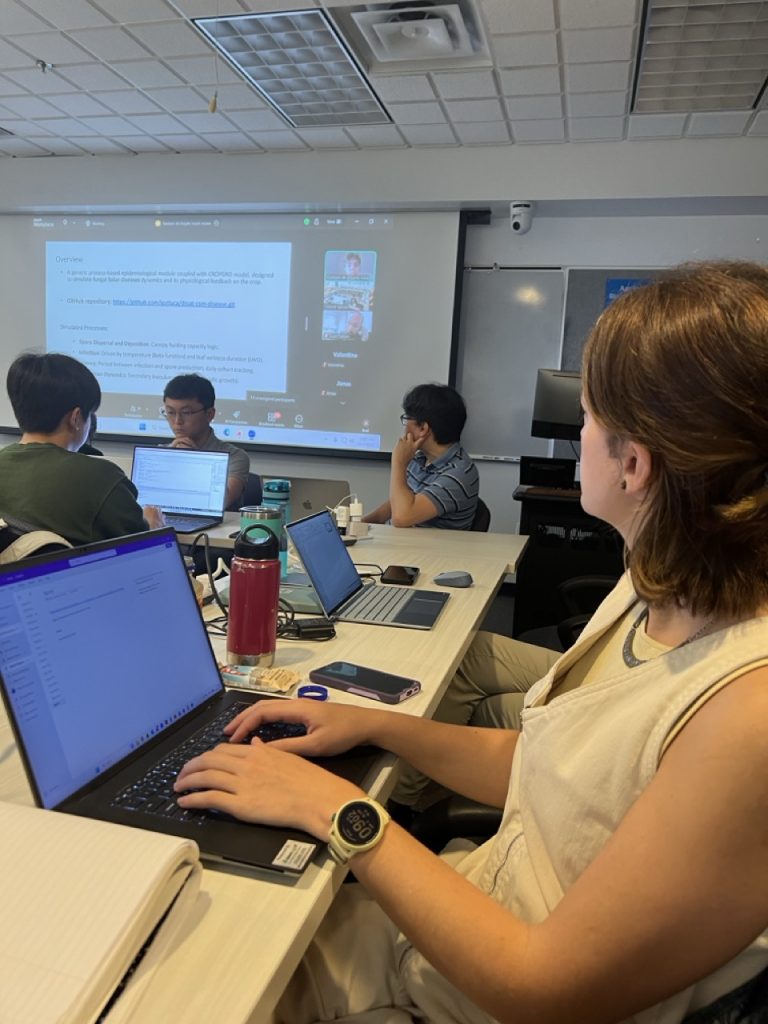
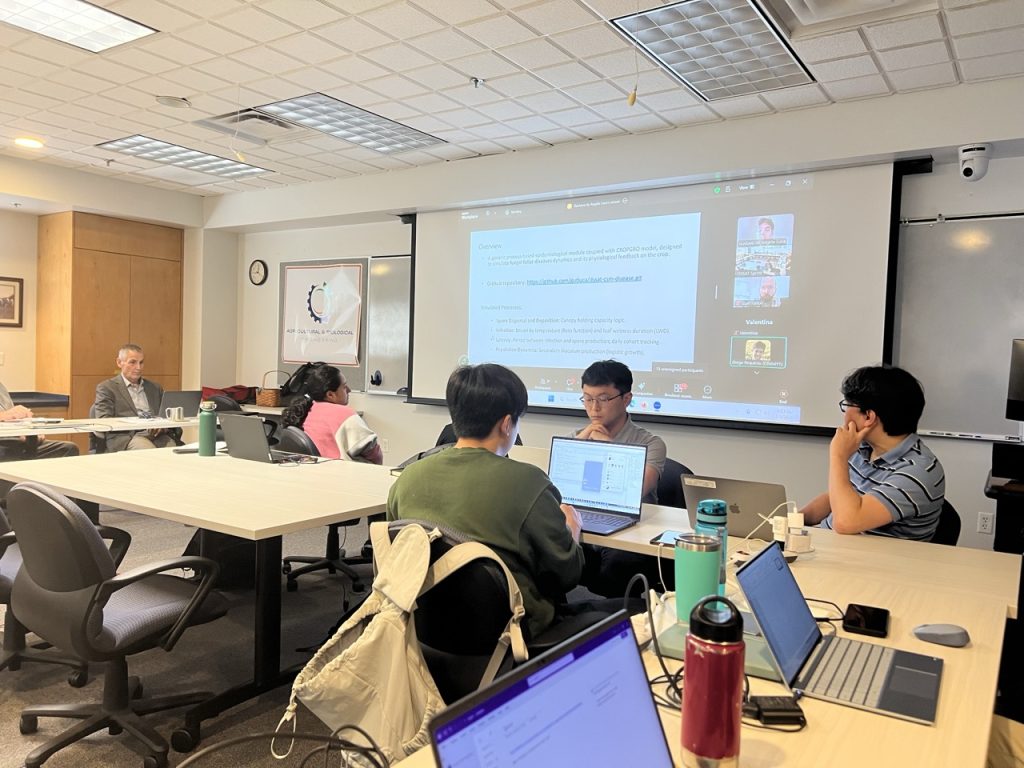
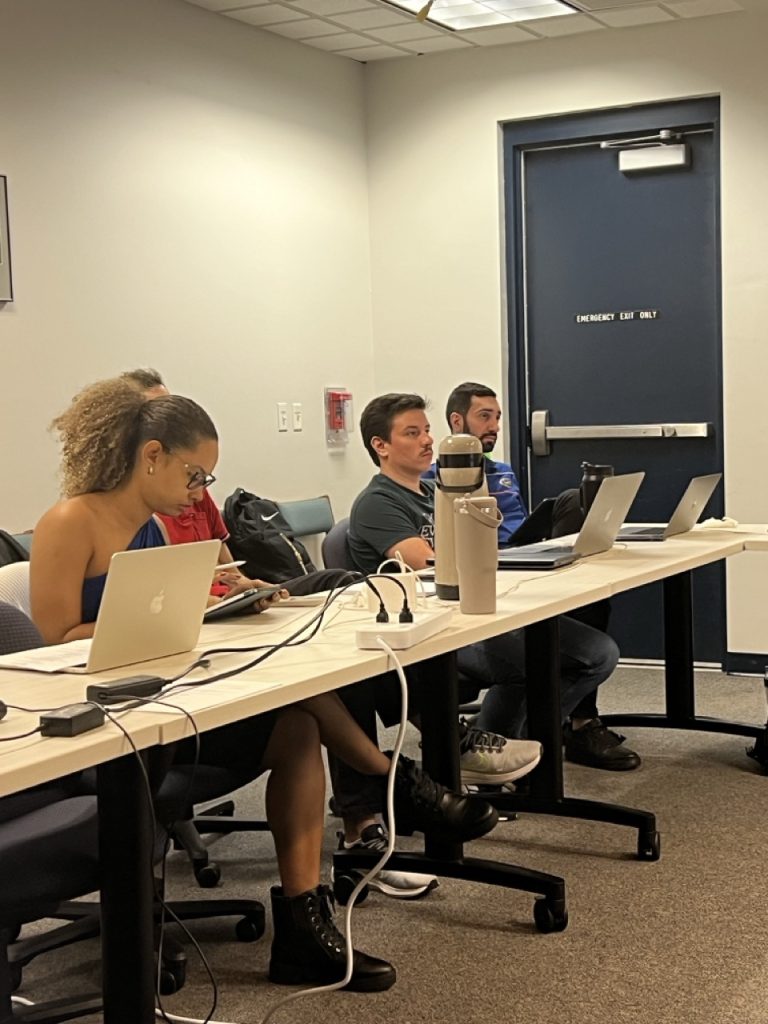
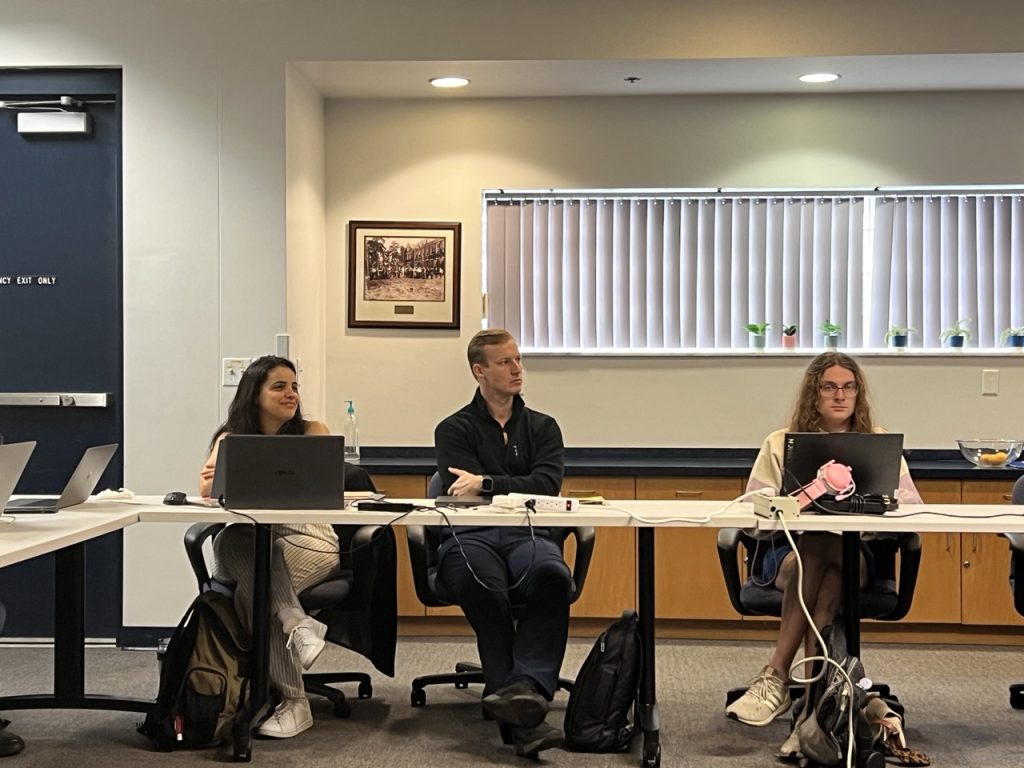
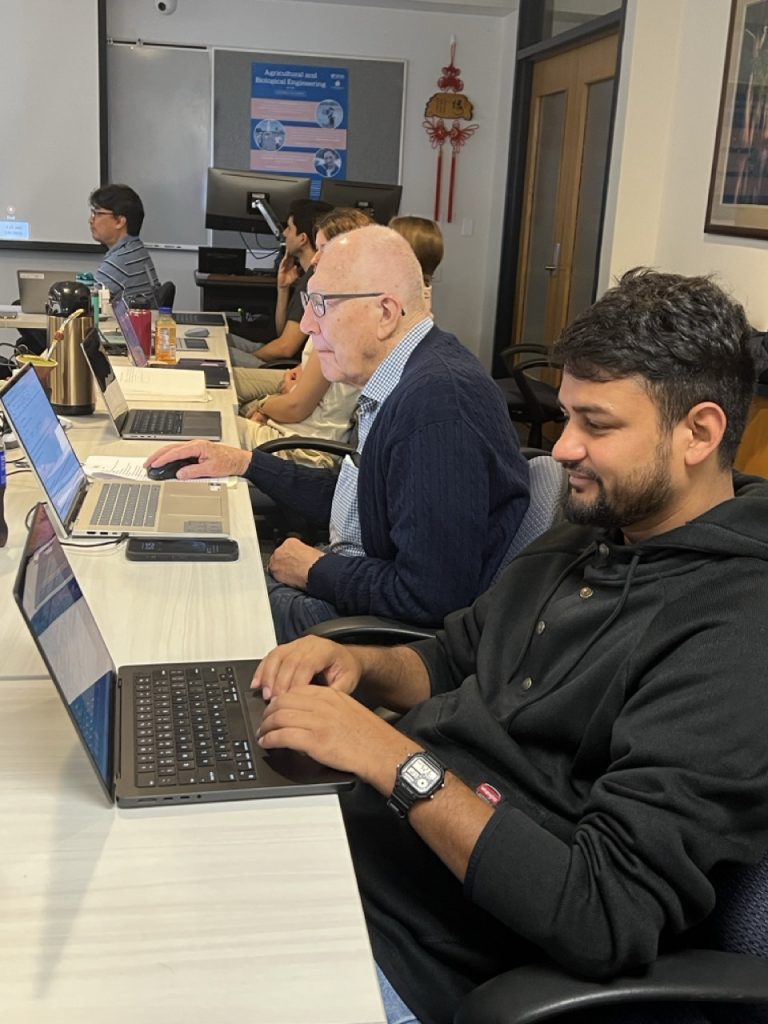
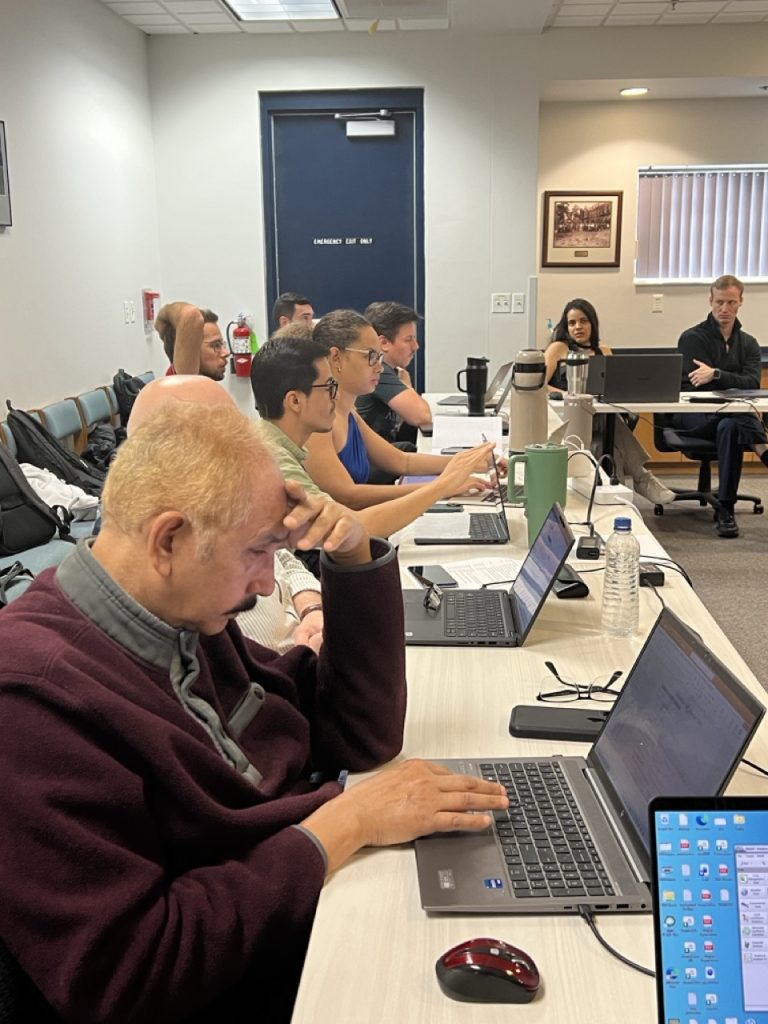
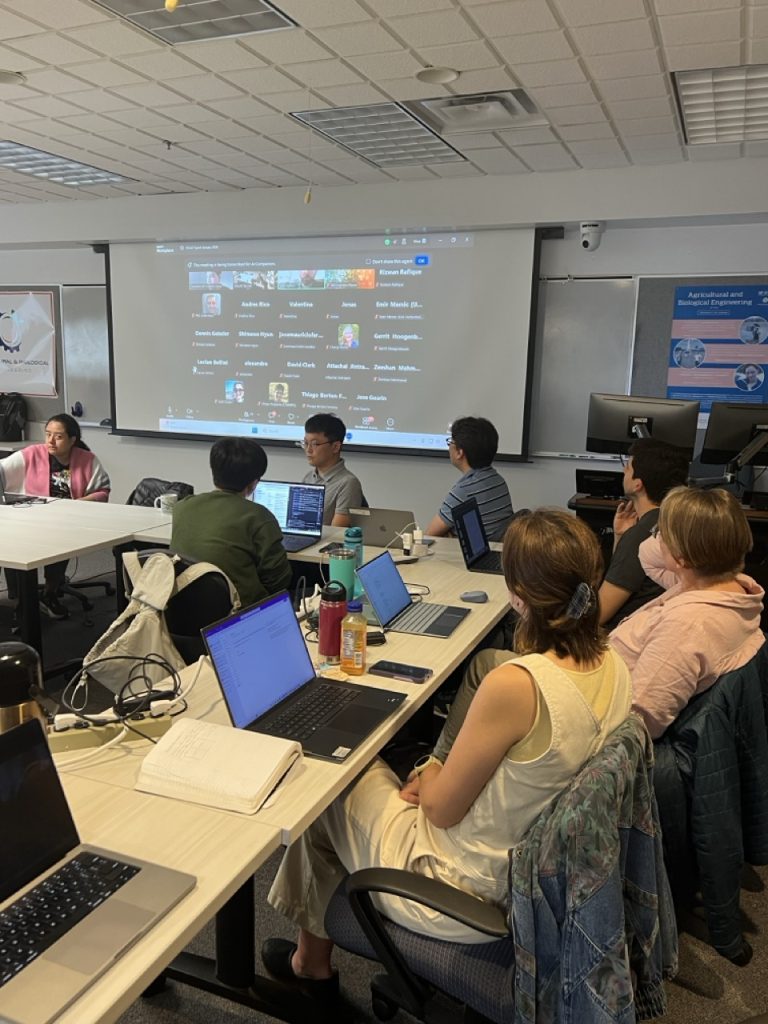
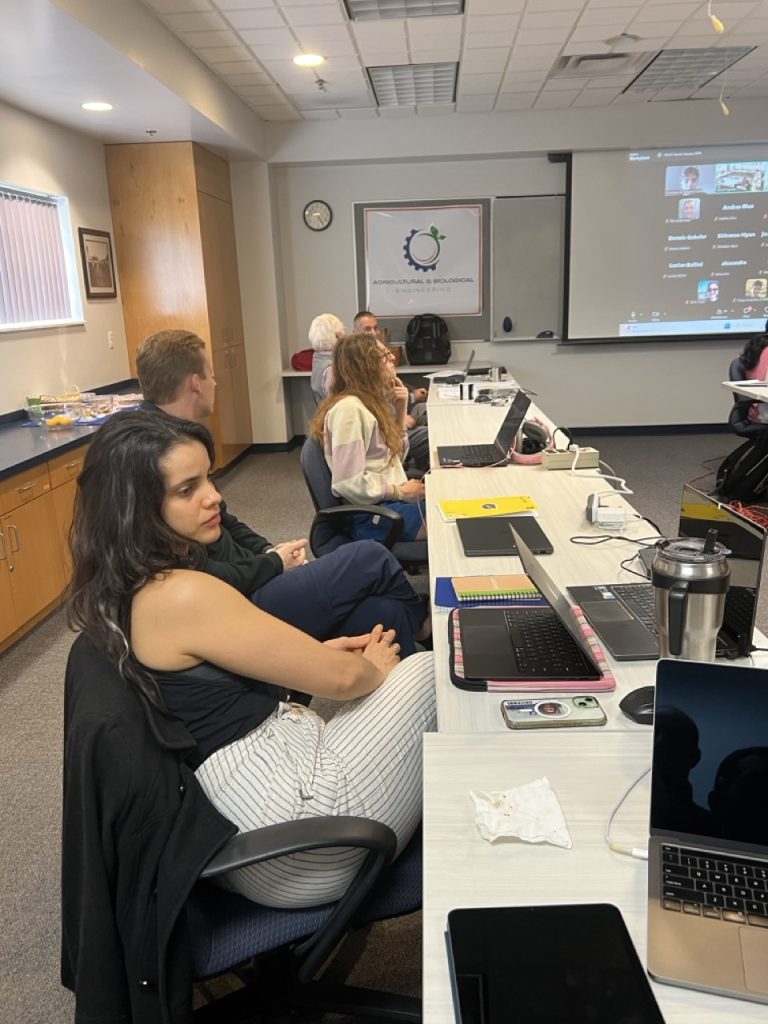
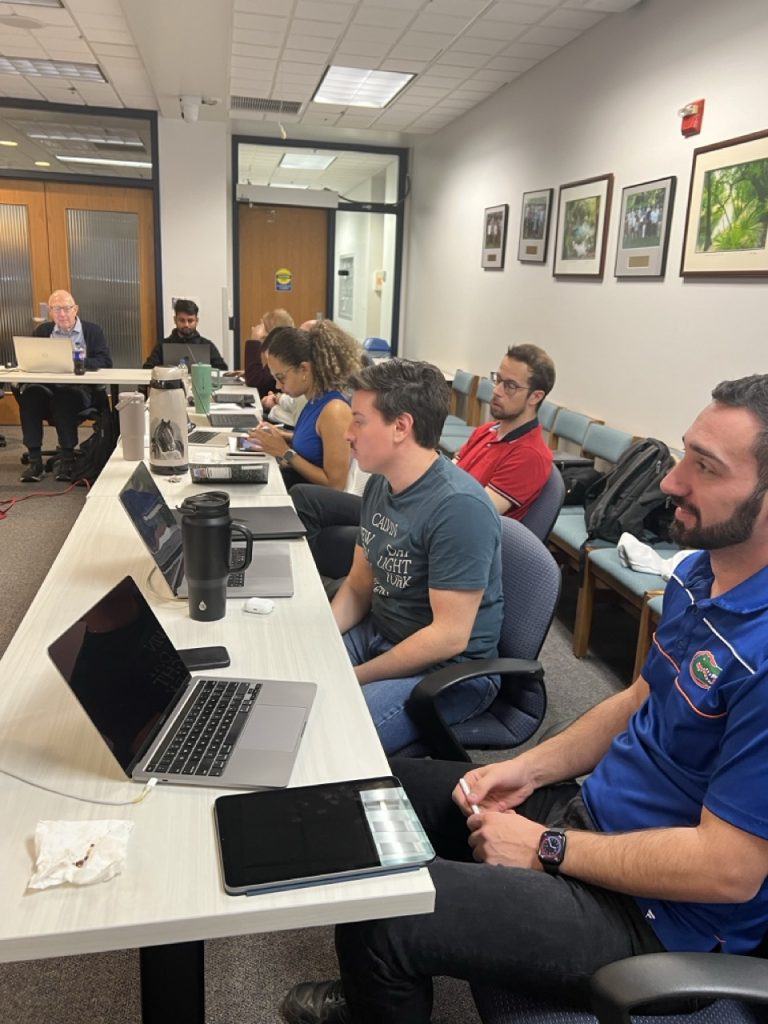
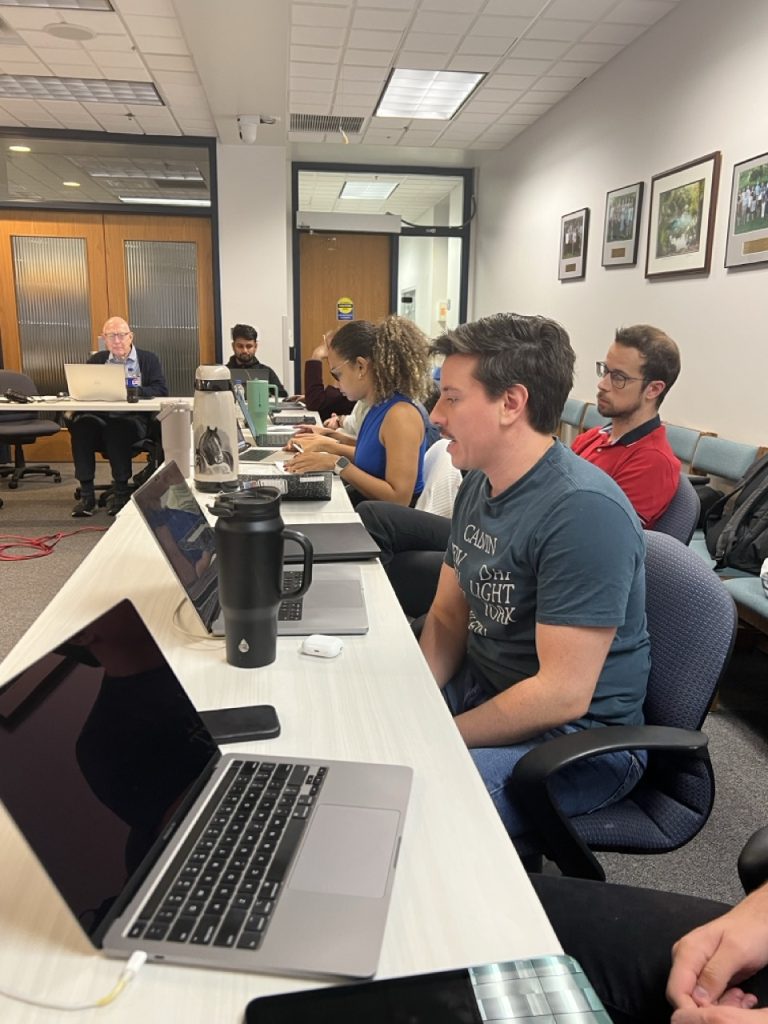
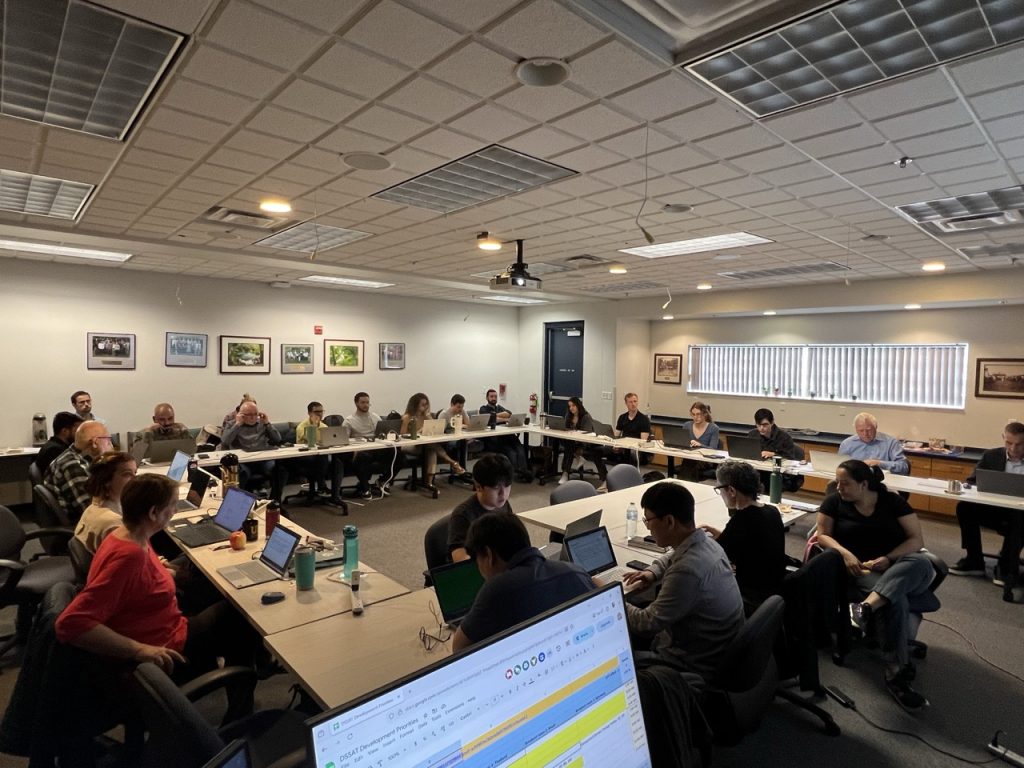
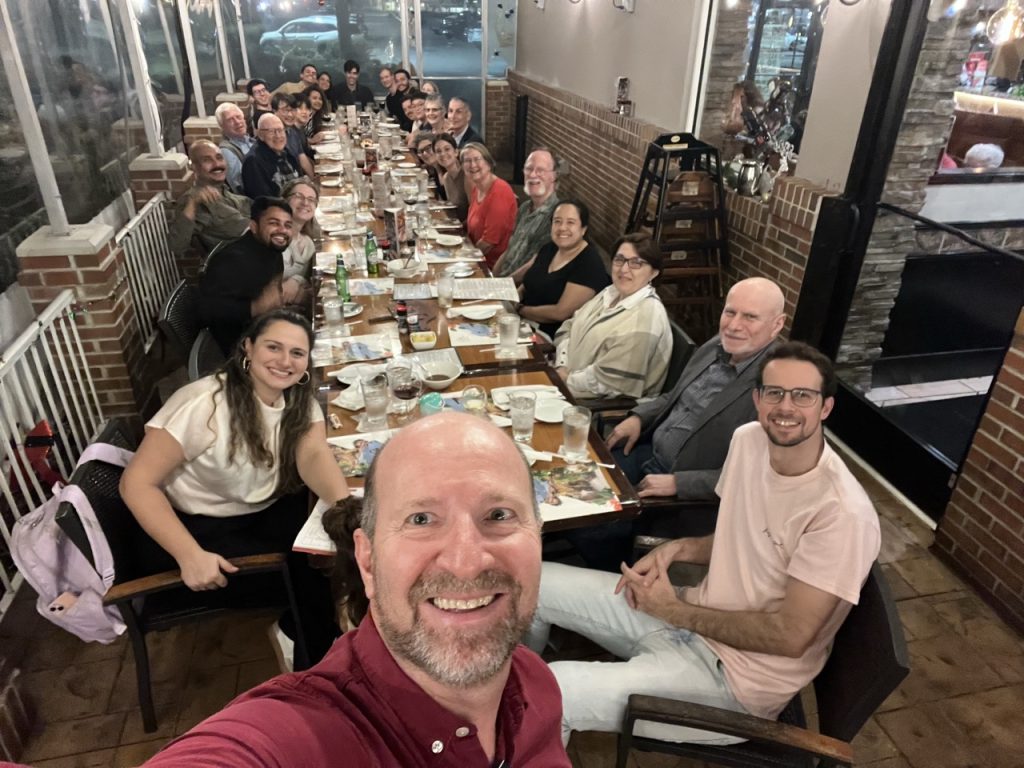
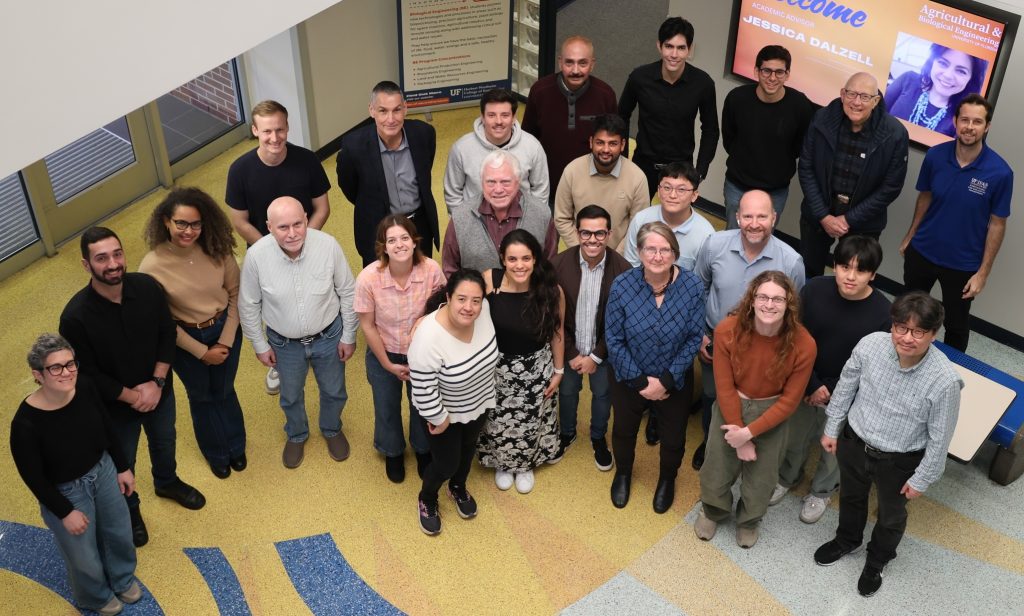
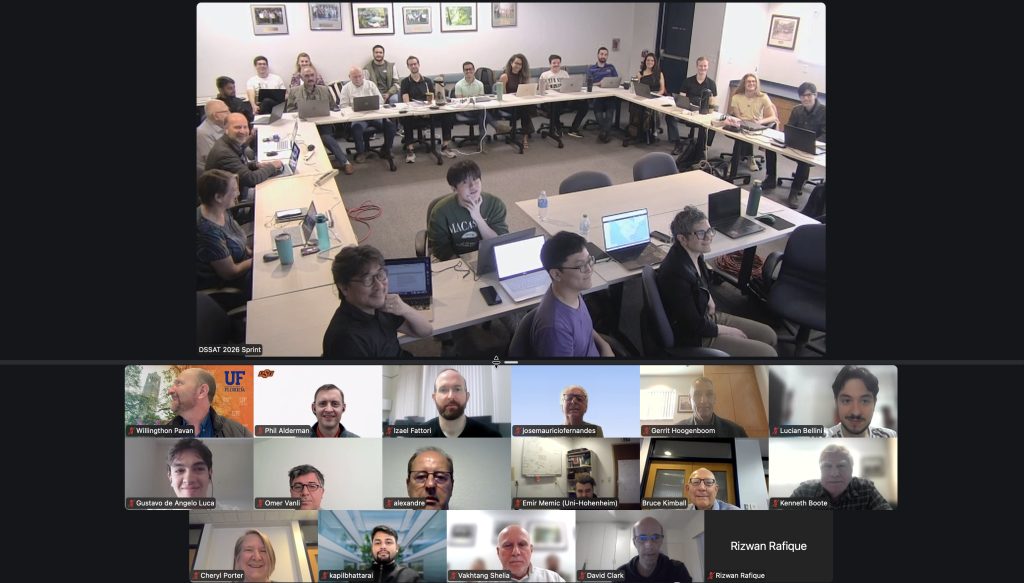
The 24th DSSAT Development Sprint, held from January 5–9, 2026, at the University of Florida, marked another milestone in the continuous evolution of the DSSAT Cropping System Model and its expanding ecosystem of tools. Hosted by the Global Food Systems Institute and the Department of Agricultural and Biological Engineering, this hybrid sprint brought together an international community of developers, researchers, and users, both in person at Frazier Rogers Hall and virtually from across the globe, to collaboratively advance agricultural systems modeling.
Building on the momentum of previous sprints, the 2026 edition emphasized hands-on development, cross-disciplinary integration, and practical progress toward the next DSSAT releases, while continuing to onboard new contributors into DSSAT development protocols and workflows.
Sprint Goals and Structure
The 24th Sprint was guided by three core goals:
1. Improve DSSAT and associated tools, crop models, applications, and databases.
2. Provide a forum for communication and exchange among developers, users, and decision-support practitioners.
3. Train and integrate new developers into DSSAT methods, standards, and collaborative practices.
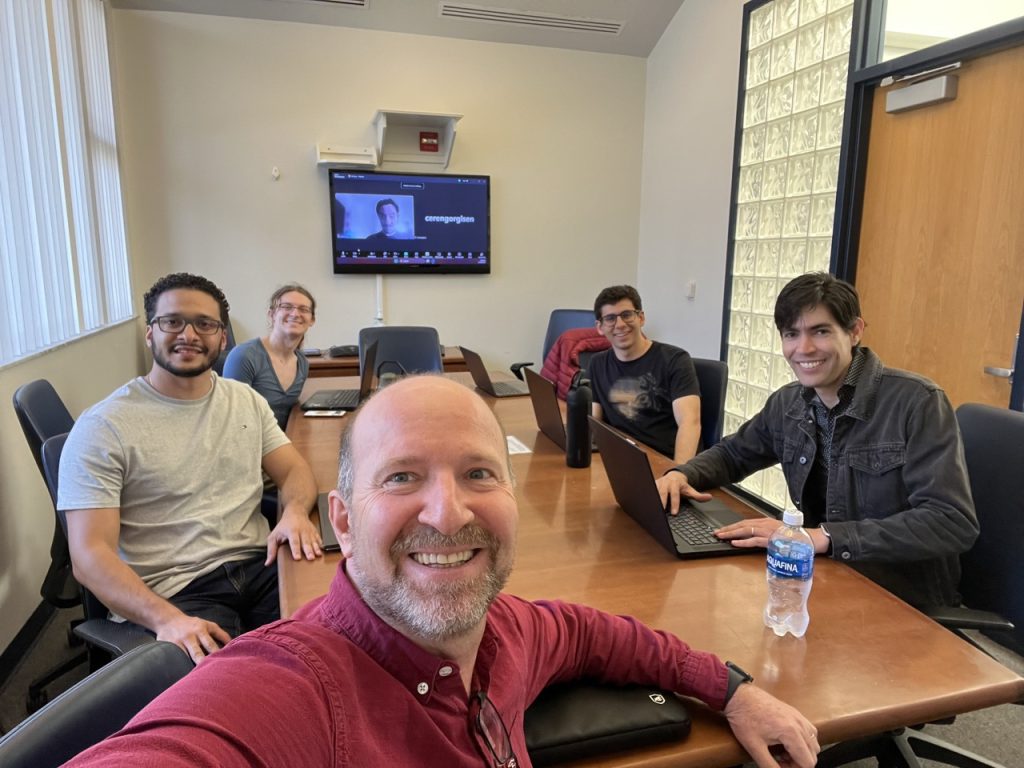
The hybrid format once again proved essential for inclusive collaboration, combining focused in-person discussions with highly interactive Zoom breakout sessions that enabled global participation throughout the week.
Key Focus Areas and Development Priorities
Sprint participants worked across a broad and ambitious set of priorities, reflecting both near-term release needs and longer-term model evolution:
• DSSAT Version 4.8.x updates, including XB2, TSE, and GB2 model enhancements and release documentation
• Next-generation tools, with emphasis on modularity, flexibility, and improved workflows
• Pest, disease, and hail damage modeling, including integration with crop growth processes
• Crop–livestock system dynamics, advancing grazing and forage-related simulations
• General crop model improvements, spanning multiple crops and regions
• Soil temperature and soil dynamics, including progress toward 2-D soil water and nitrogen modeling
• Intercropping systems, with coordinated work on structure, parameterization, and testing
• DSSAT Web Portal and documentation, strengthening accessibility for users and developers alike
These priorities were addressed through parallel breakout groups, allowing teams to make tangible progress while maintaining close coordination across topics.
Breakout Sessions and Collaborative Development
More than a dozen breakout themes were actively developed during the sprint, including:
• Pest and disease modeling
• Integration of the 2-D soil model with the Cropping System Model
• Flexible I/O and ICASA standards
• Pythia and GSSAT2 integration
• CropTest and model comparison frameworks
• Remote sensing and NDVI integration
• Drought-tolerant traits in CROPGRO
• Root growth and leaf cohort modules
• TreeGRO and CerealGRO (CROPGRO-Wheat)
• High water table simulations for NWHEAT
This working format ensured that the sprint remained strongly outcome-driven, with code development, testing, and documentation progressing in parallel.
Technical Presentations and Model Advancements
A central component of the 24th DSSAT Development Sprint was a series of focused technical presentations that grounded breakout discussions and informed development priorities throughout the week. These talks highlighted both methodological advances and applied modeling efforts across crops, diseases, soils, and integrated systems.
Key presentations included:
• Gustavo de Angelo Luca – DISMO (Disease Impact and Severity Module)
Presentation of the Disease Impact and Severity Module, emphasizing approaches to quantify disease effects on crop growth and yield within the DSSAT framework and outlining pathways for tighter integration with crop and disease models.
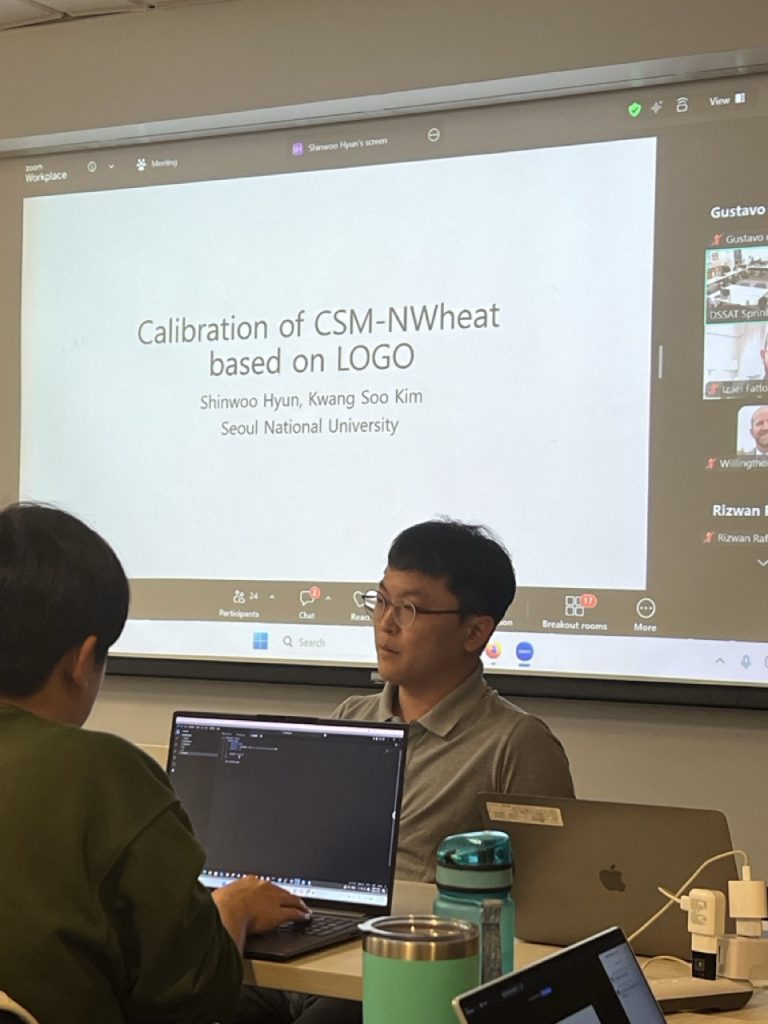
• Shinwoo Hyun – Calibration of CSM-NWheat Based on LOGO
An overview of calibration strategies for the CSM-NWheat model using Leave-One-Group-Out (LOGO) approaches, with discussion of robustness, transferability, and implications for large-scale applications.
• Thiago Berton Ferreira – Data Assimilation
Exploration of data assimilation concepts applied to DSSAT, highlighting opportunities to integrate observations dynamically into simulations to improve state estimation and predictive performance.
• Arthur Machado – Applying DSSAT to Large Datasets in Low-Control Environments: Large-Scale Cultivar Calibration
A case study demonstrating the application of DSSAT to large, heterogeneous datasets, focusing on cultivar calibration under limited experimental control and data availability.
• Seungmo Yang – Integration of CSM-CERES-Rice with EPIRICE
Presentation on coupling the CERES-Rice crop model with EPIRICE, advancing the representation of disease dynamics within rice simulations.
• Cara Mathers & Cheryl Porter – Soil Dynamics
Updates on soil process modeling, including progress on soil carbon, nitrogen, and water dynamics, and their integration with crop growth simulations.
• Prem Woli – Forage–Animal Interface Model
An overview of ongoing work on linking forage production with animal components, supporting more realistic crop–livestock system simulations.
• Virginia Covert – Generic Disease Model (GDM)
Presentation of advances in the Generic Disease Model, including evaluation efforts, variable structure, and pathways for tighter coupling with DSSAT crop models.
Together, these presentations provided a strong technical foundation for sprint activities, enabling targeted breakout discussions and accelerating progress across multiple DSSAT development streams.
Global Participation and Community
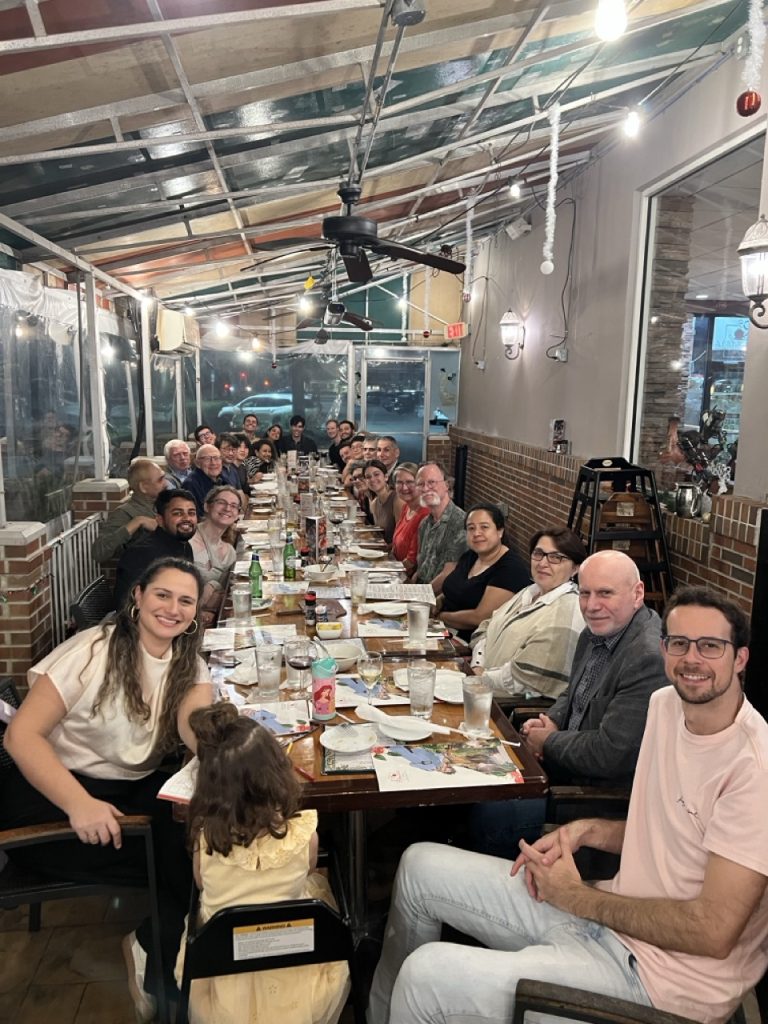
The 24th Sprint brought together participants from universities, research institutes, and international organizations across the United States, Latin America, Europe, Africa, and Asia. This diversity of expertise—spanning crop modeling, soil science, pest and disease dynamics, data assimilation, and decision support—remains one of the sprint’s greatest strengths.
Both in-person and virtual contributors played active roles throughout the week, reinforcing DSSAT’s long-standing culture of open, collaborative development.
Outcomes and Next Steps
By the end of the sprint, teams reported substantial progress across multiple fronts, including:
• Near-completion of key soil dynamics components
• Continued advancement of crop rotation, grazing, and forage modules
• Refinement of calibration datasets for multiple regions
• Progress toward improved APIs and configuration management
• Clear action items for testing, pull requests, and upcoming releases 
The final wrap-up session synthesized these outcomes and defined concrete next steps, ensuring continuity between sprints and alignment with upcoming DSSAT releases.
Looking Ahead
The 24th Hybrid DSSAT Development Sprint once again demonstrated the value of focused, collaborative development in advancing agricultural systems modeling. By combining deep technical work with an inclusive, global community, the sprint continues to strengthen DSSAT as a cornerstone platform for research, education, and decision support in agriculture.
As DSSAT evolves to address increasingly complex challenges, from climate variability to integrated crop–livestock systems, the sprint model remains central to translating innovation into robust, community-driven tools.