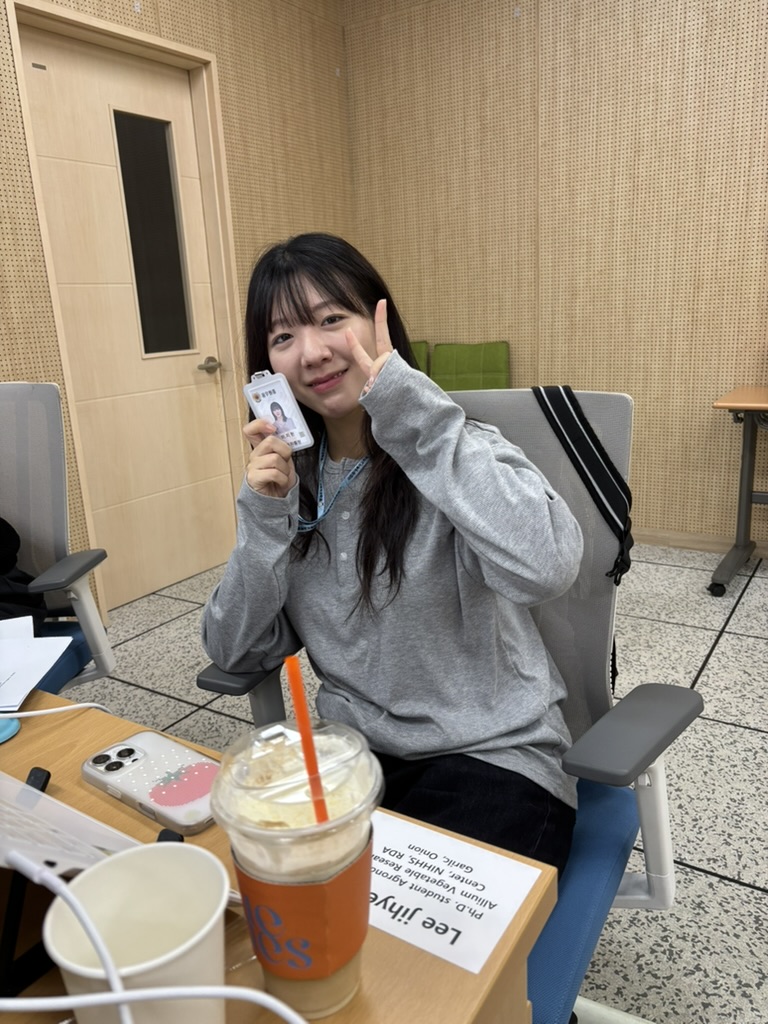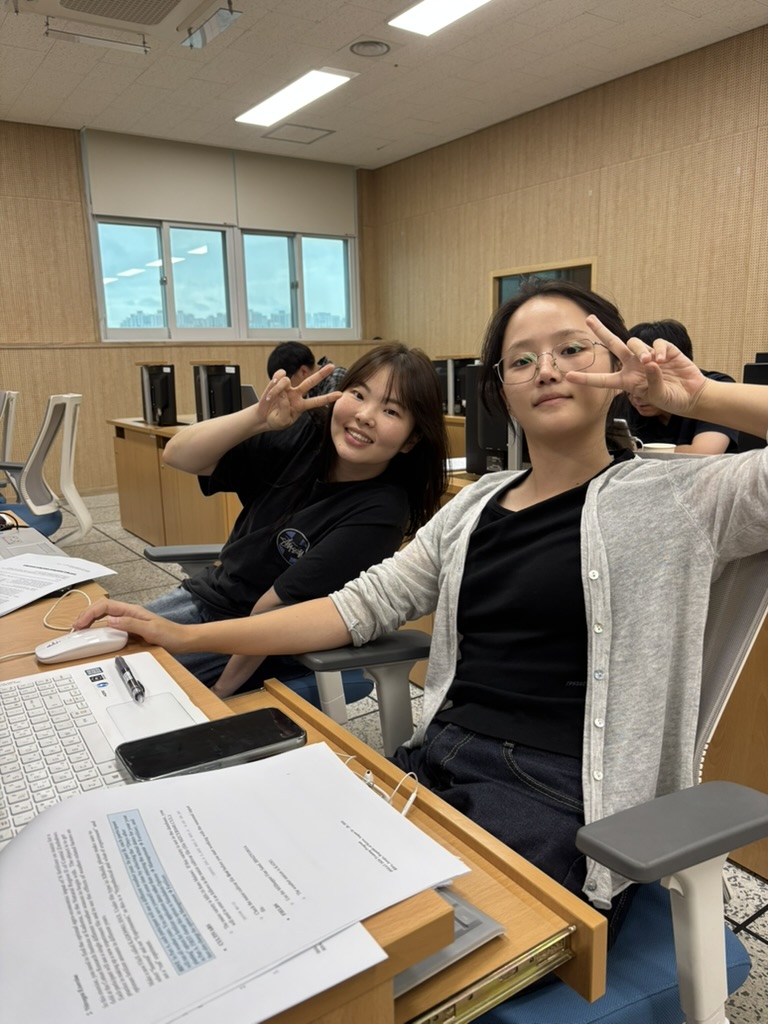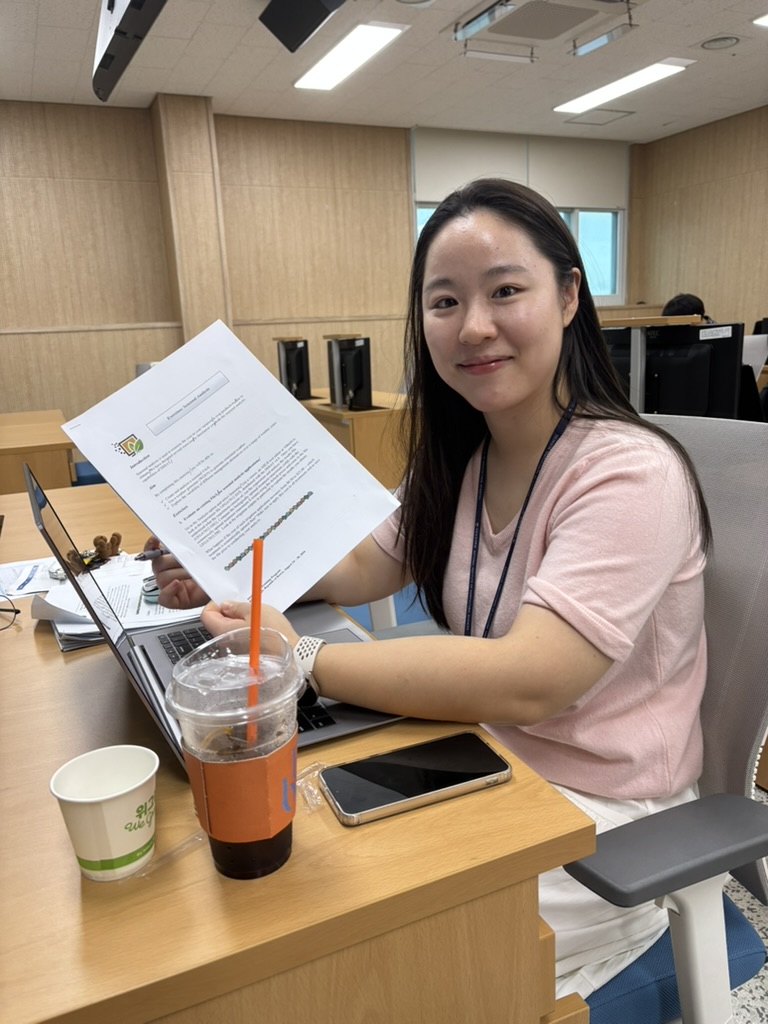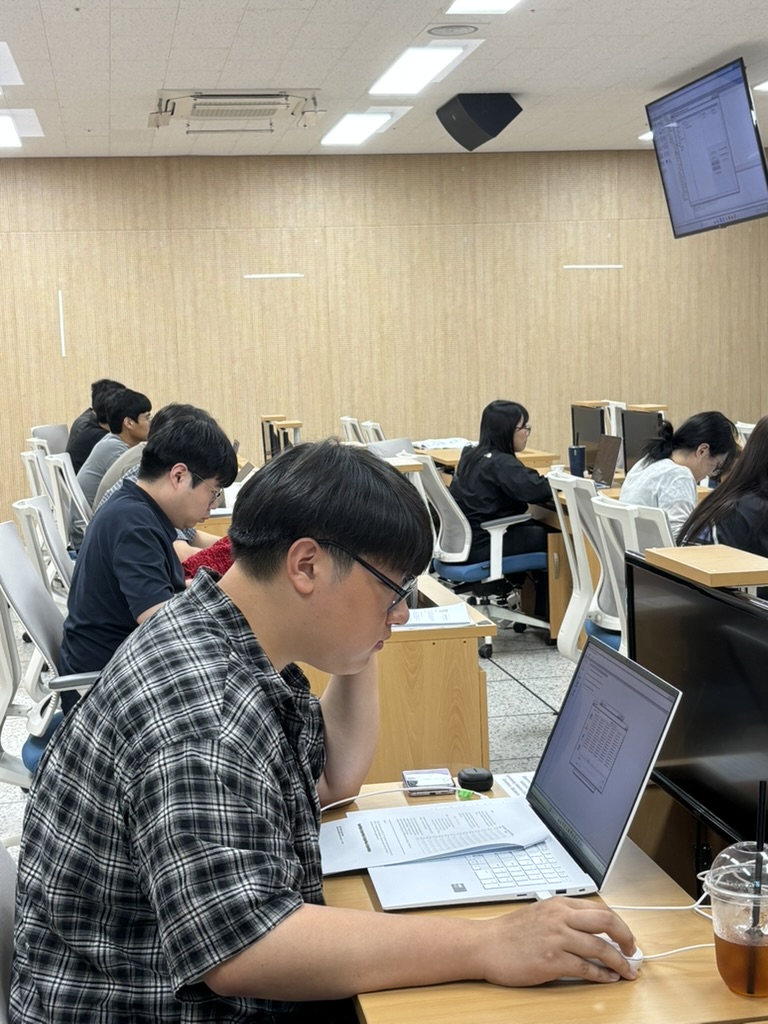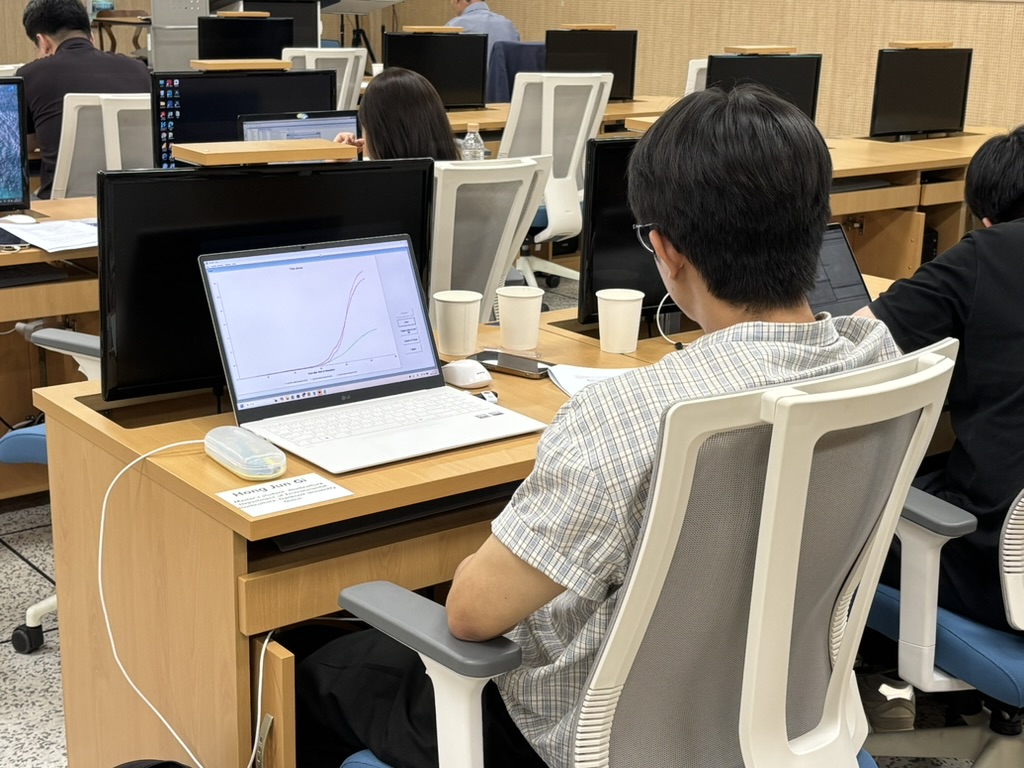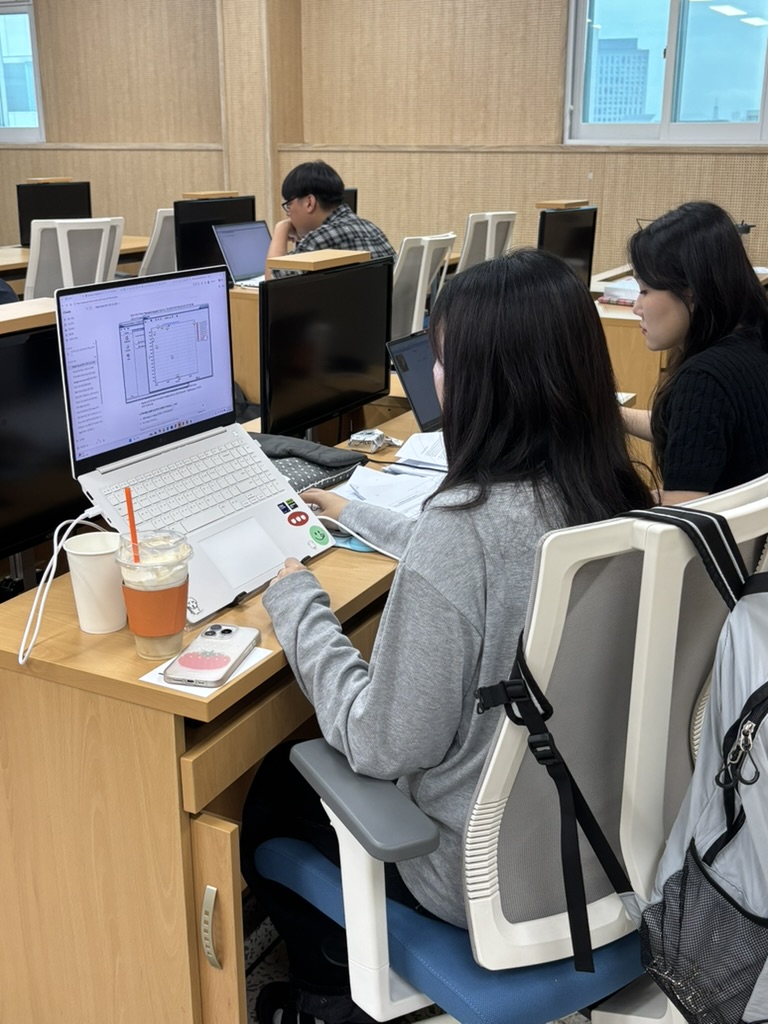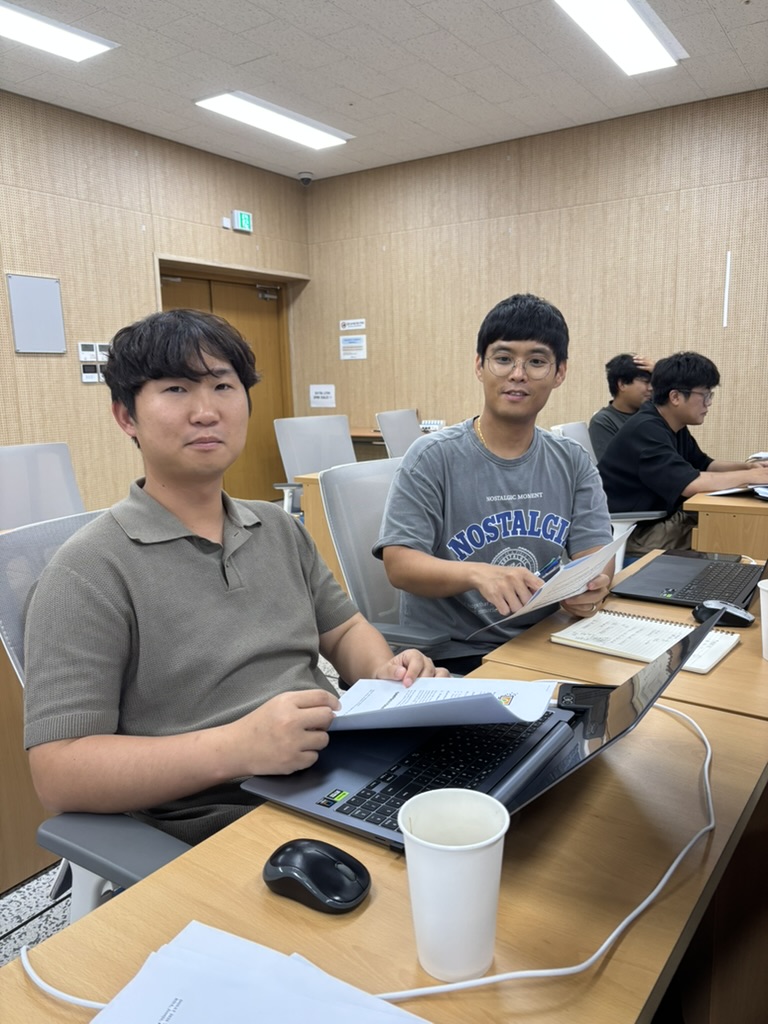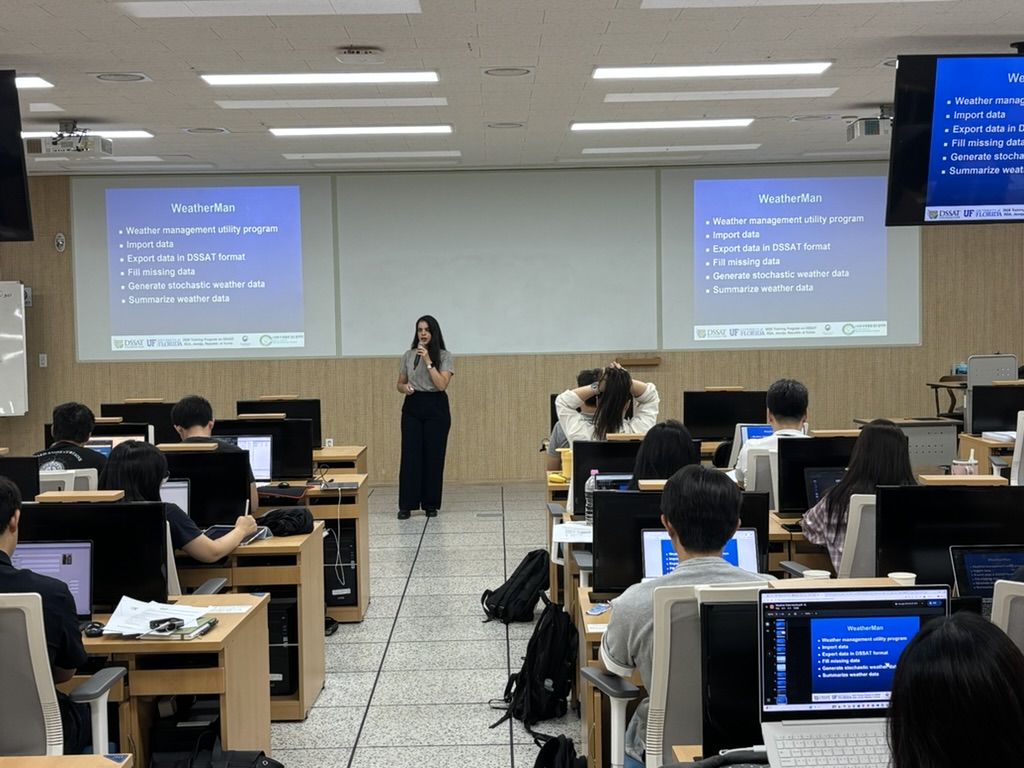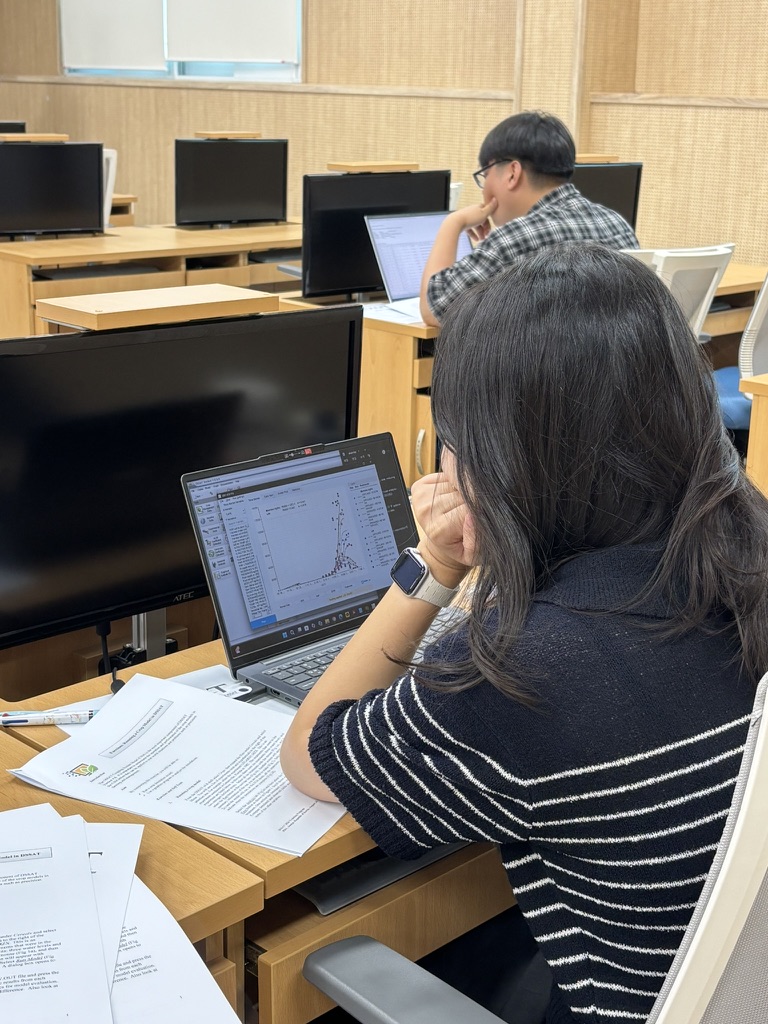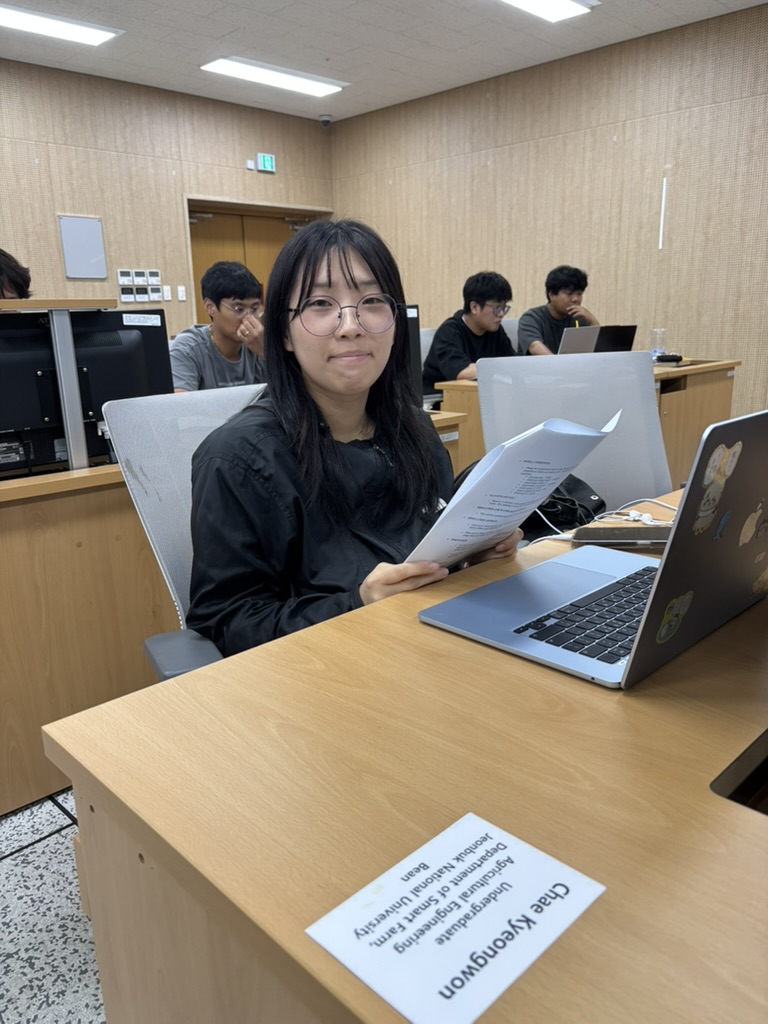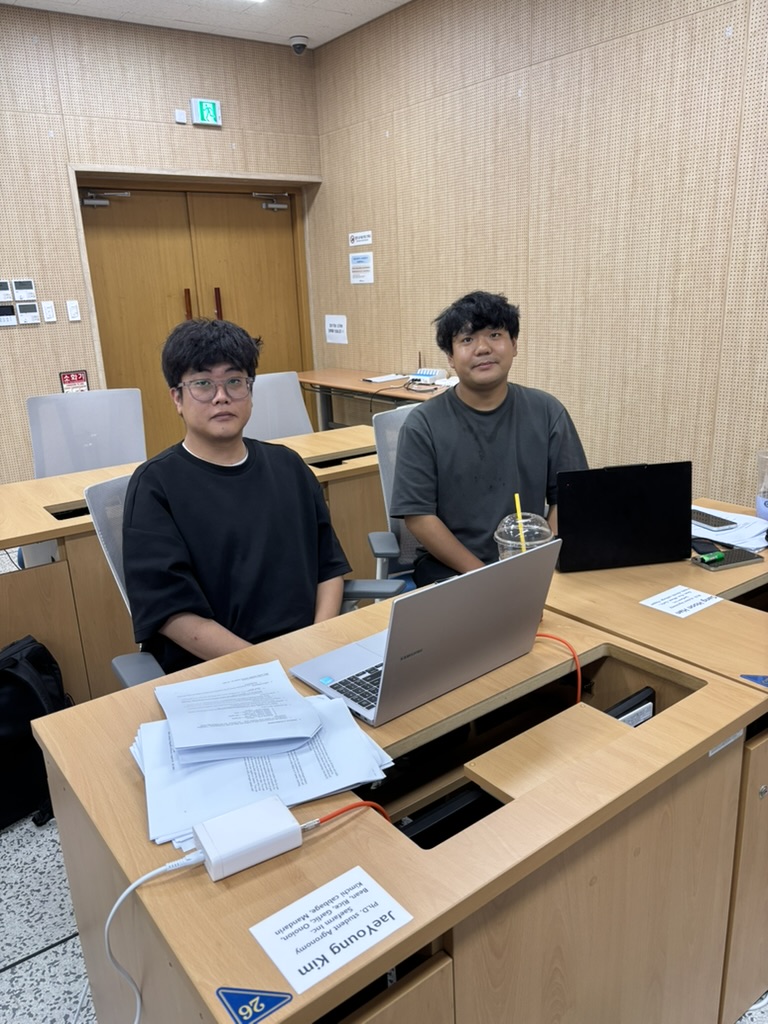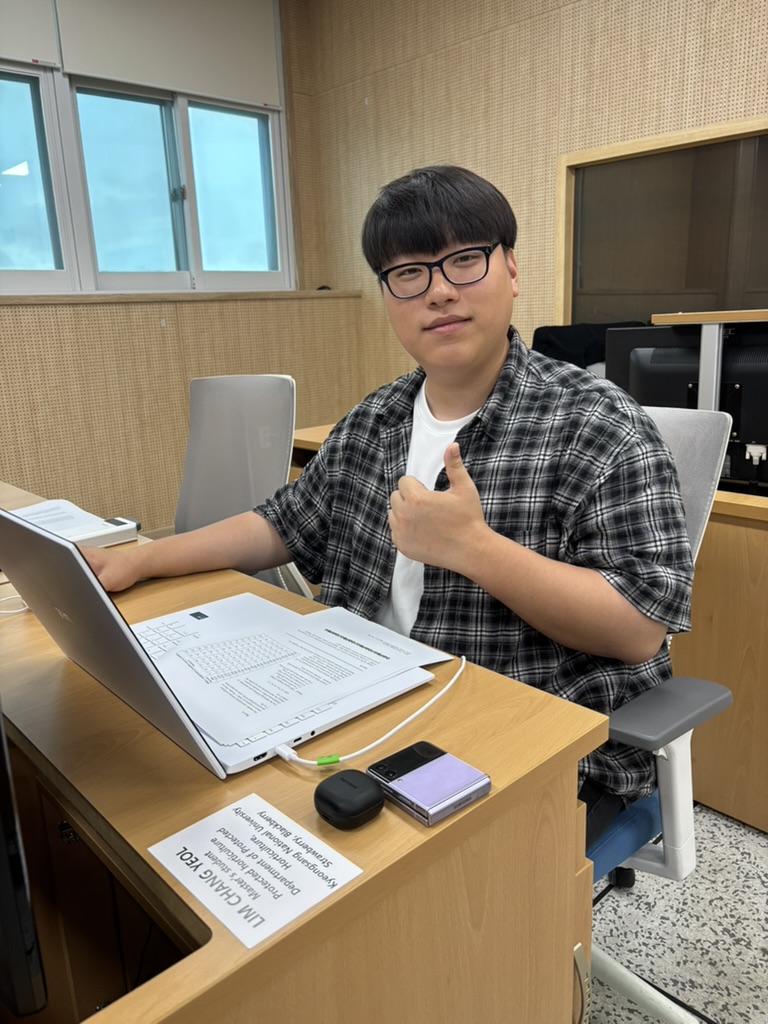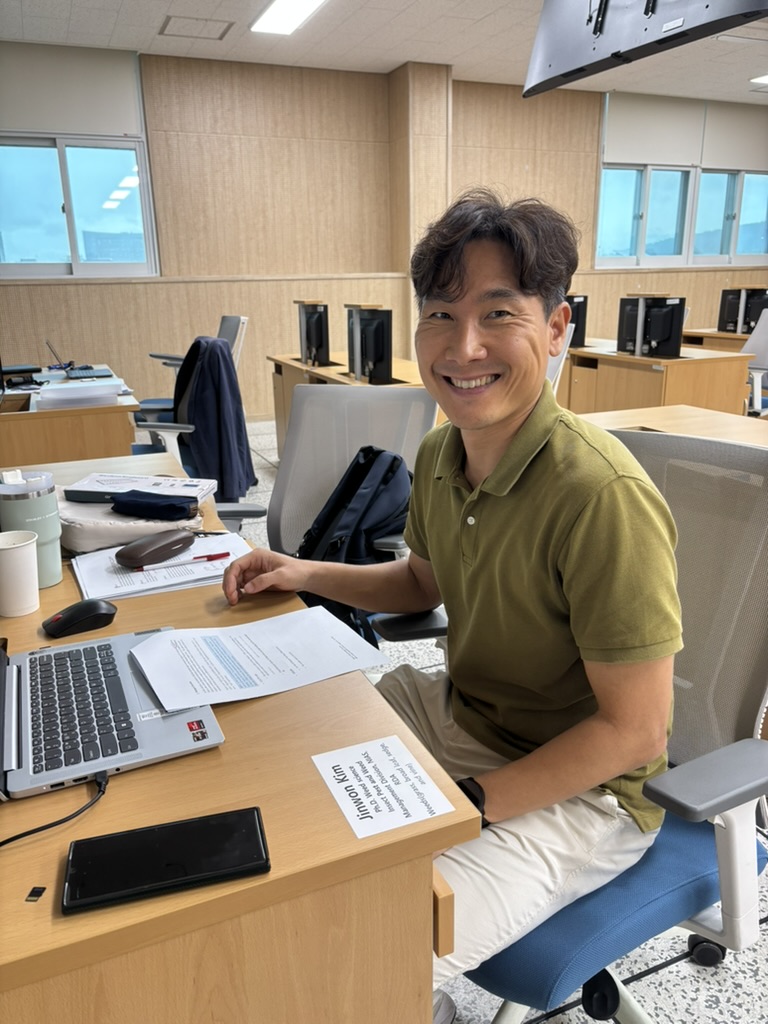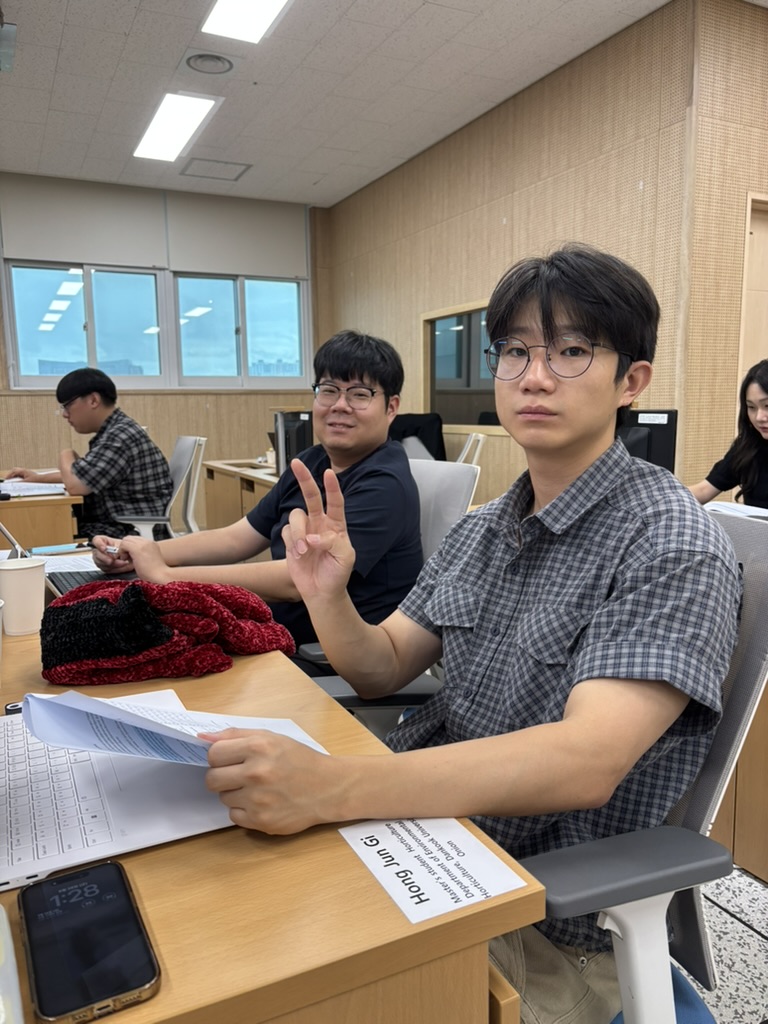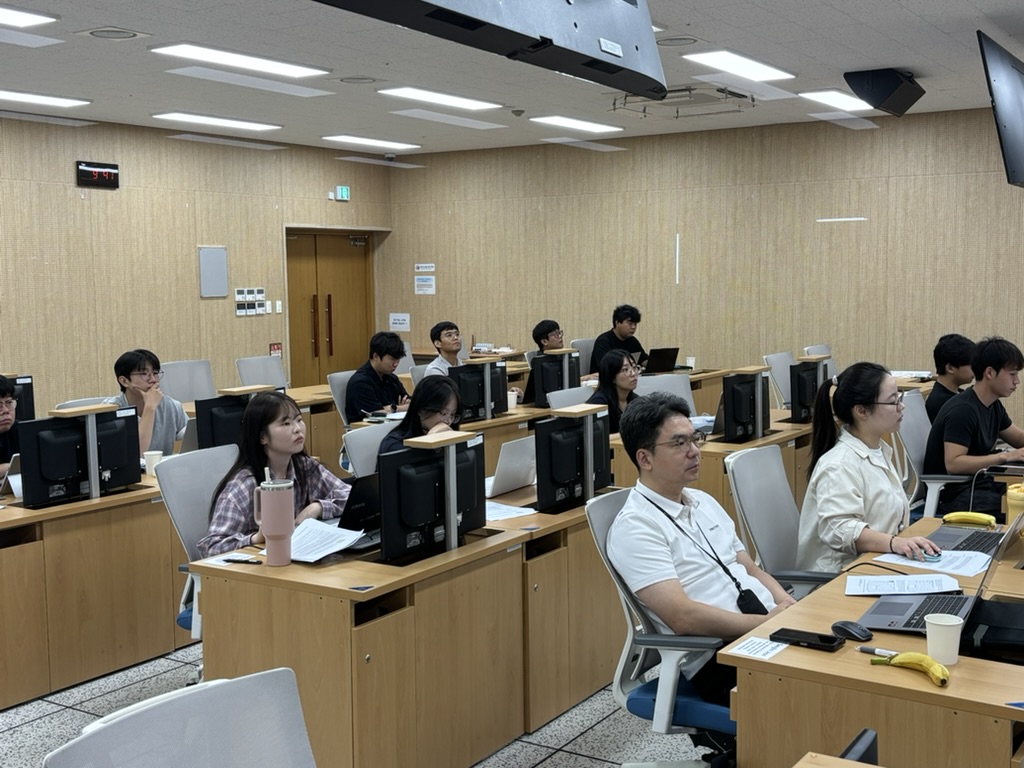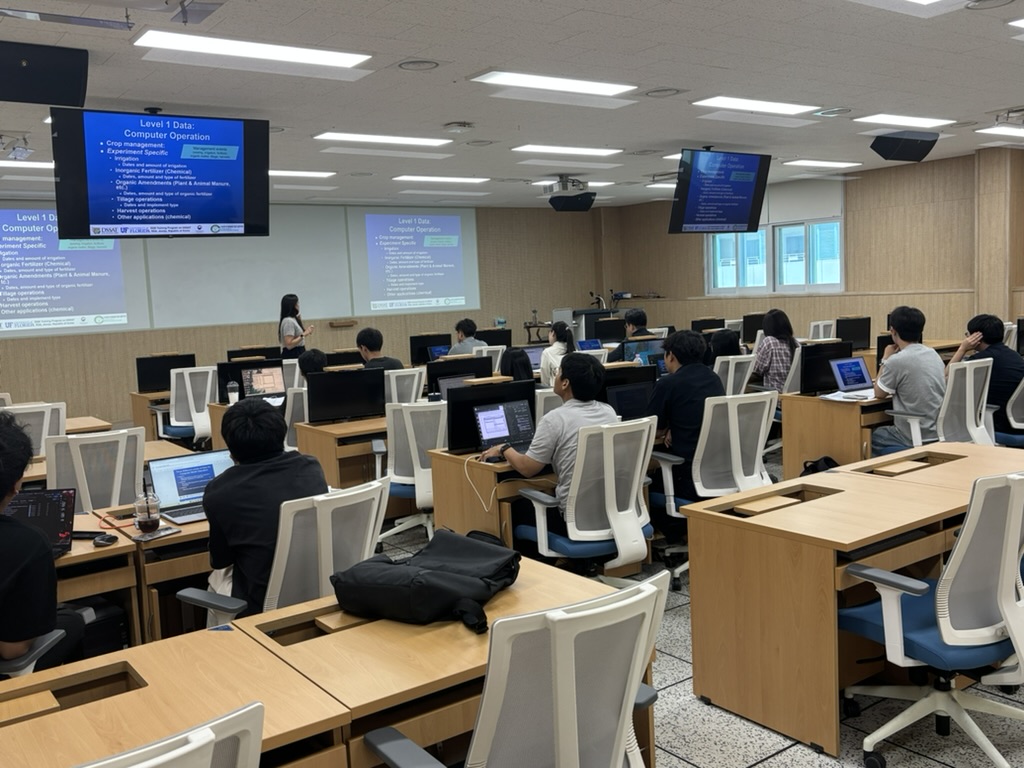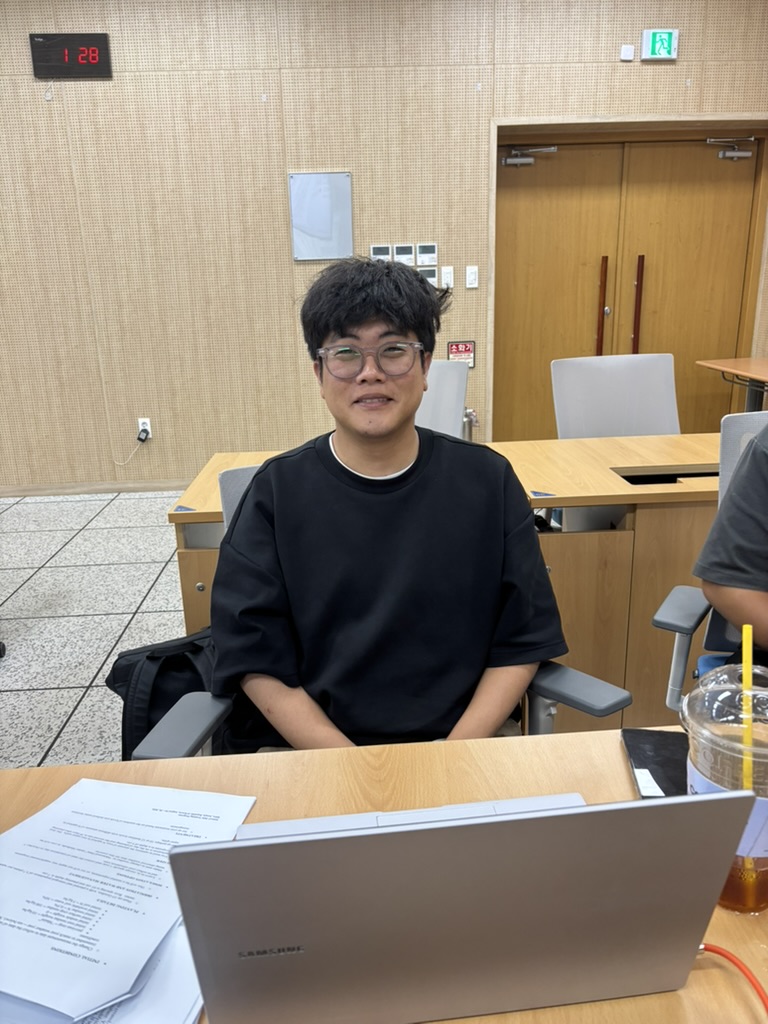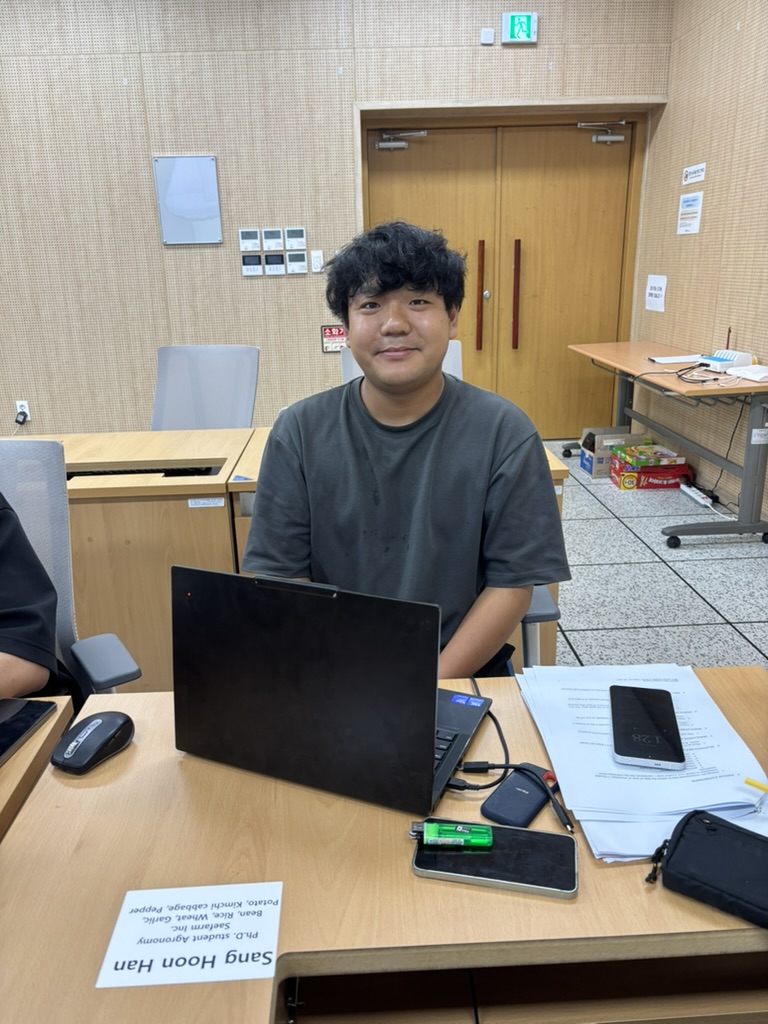
From August 24 to 28, 2026, the DSSAT Foundation, the University of Florida, and the Republic of Korea’s Rural Development Administration (RDA) co-hosted a week-long training program on the Decision Support System for Agrotechnology Transfer (DSSAT) at the Rural Human Resource Development Center in Jeonju. The workshop, “Assessing Crop Production, Water and Nutrient Management, Climatic Risk and Environmental Sustainability with Simulation Models,” brought together researchers from RDA and Jeonbuk State Agricultural Research and Extension Services, graduate and undergraduate students from Gyeongsang National University, Wonkwang University, Dankook University, Dongguk University, Kongju National University, Jeonbuk National University, and members of Saefarm inc. company for hands-on instruction on crop simulation modeling.
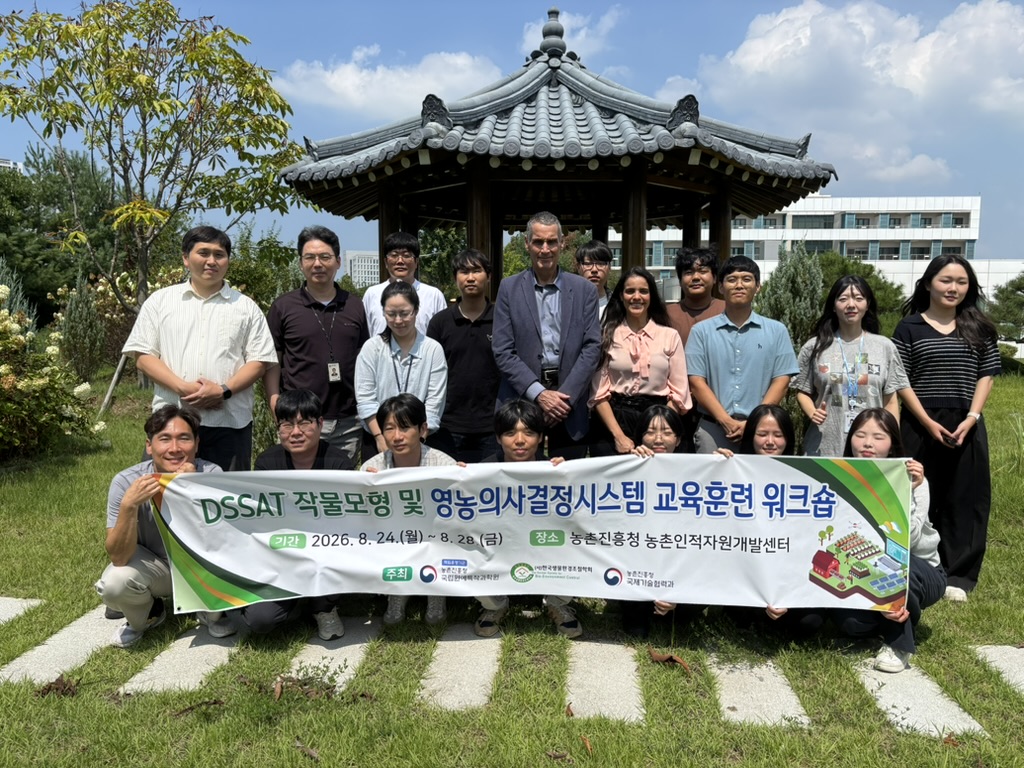
The course was organized by Mr. Seunghwan Wi, scientist with the National Institute of Horticultural and Herbal Sciences of the Rural Development Administration of the Republic of South Korea and led by Professor Dr. Gerrit Hoogenboom and Dr. Mariely dos Santos of the University of Florida’s Department of Agricultural and Biological Engineering.
Course Highlights:
Over five days, participants moved from fundamentals to advanced applications of the DSSAT Cropping System Model:
- Monday – Introduction and Potential Production: History of DSSAT, software installation (v4.8.6), and simulating phenological development and basic growth processes.
- Tuesday – Weather and Genetic Coefficients: Weatherman utilities, the minimum data set concept, and the structure of species, ecotype, and cultivar genetic coefficients.
- Wednesday – Water-Limited Production: Soils and Experimental Data, building soil data files, and preparing experimental (FileX) and crop measurement data for model evaluation.
- Thursday – Nitrogen-Limited Production: Soil and plant nitrogen processes and modeling soil organic matter dynamics.
- Friday – Evaluating Risk and Sustainability: Uncertainty and risk analysis, best management practices, and simulating climate change and climate variability impacts.
Each session paired live demonstrations with guided exercises using DSSAT tools, giving participants practical experience applying the models to their own research questions.
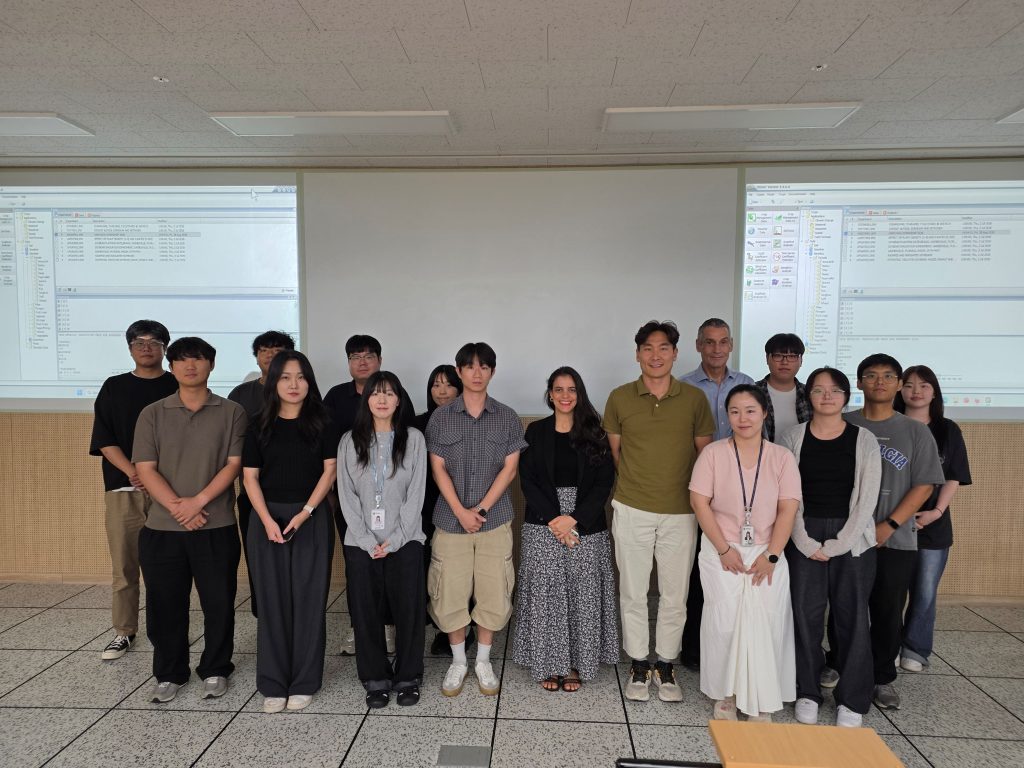
The week closed with group feedback and future needs, followed by a certificate ceremony for all participants. The training reinforced ongoing collaboration among UF, the DSSAT Foundation, and RDA in advancing crop modeling capacity for agricultural research in the Republic of Korea.